

Lithium
(
Li
)
The metal behind every battery
Top Producer
Australia
type
Critical Mineral
technology

companies




Kunin is America’s only vertically integrated ion-exchange technology company
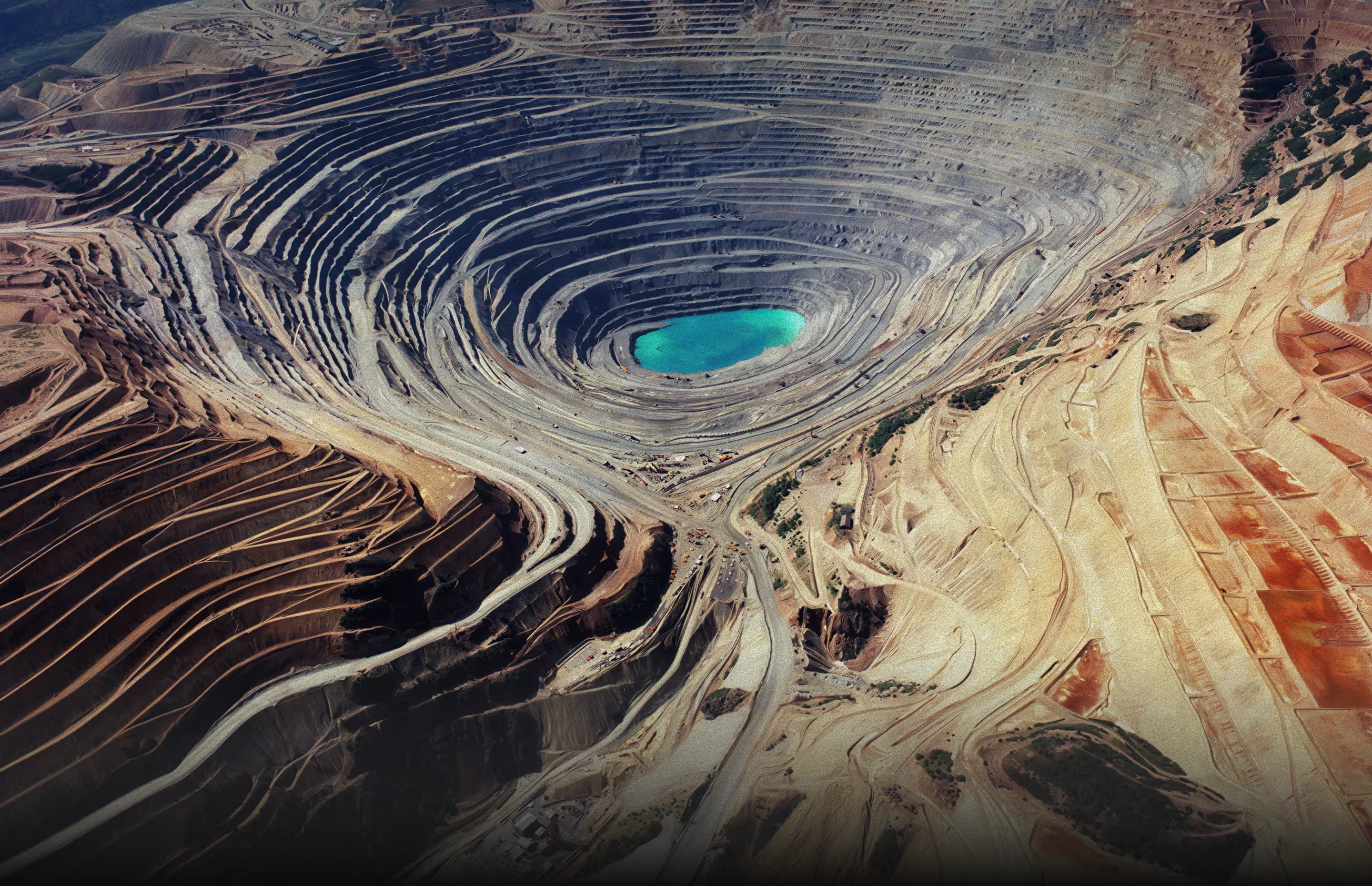
The United States was the Leader in Critical Mineral Production. In fact, we invested, commercialized, and industrialized the technologies used today.
But then mining operations went off-shore.
Now the United States is import reliant on foreign entities.

The metal behind every battery
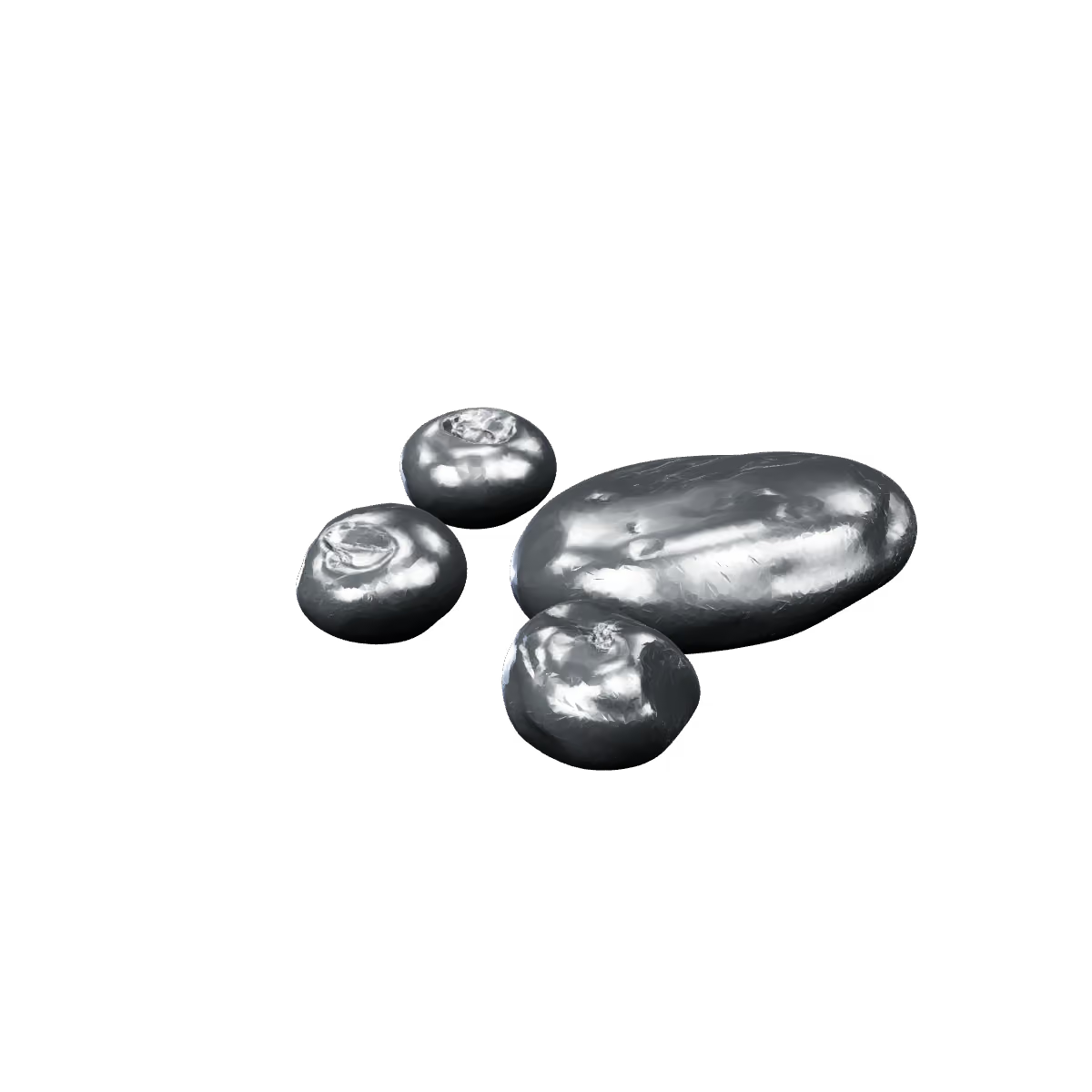
America mines its own beryllium







Lightest structural metal on Earth
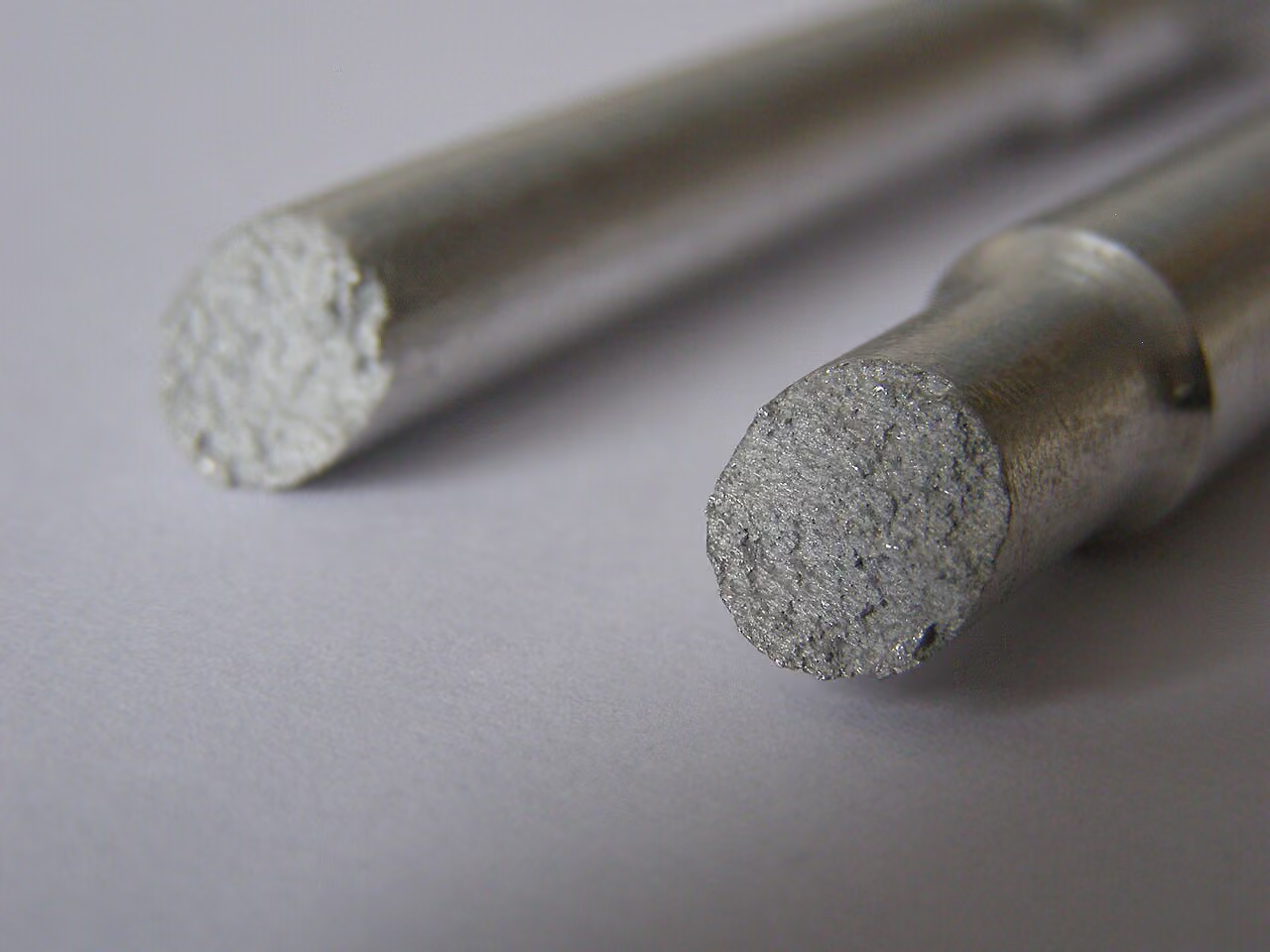
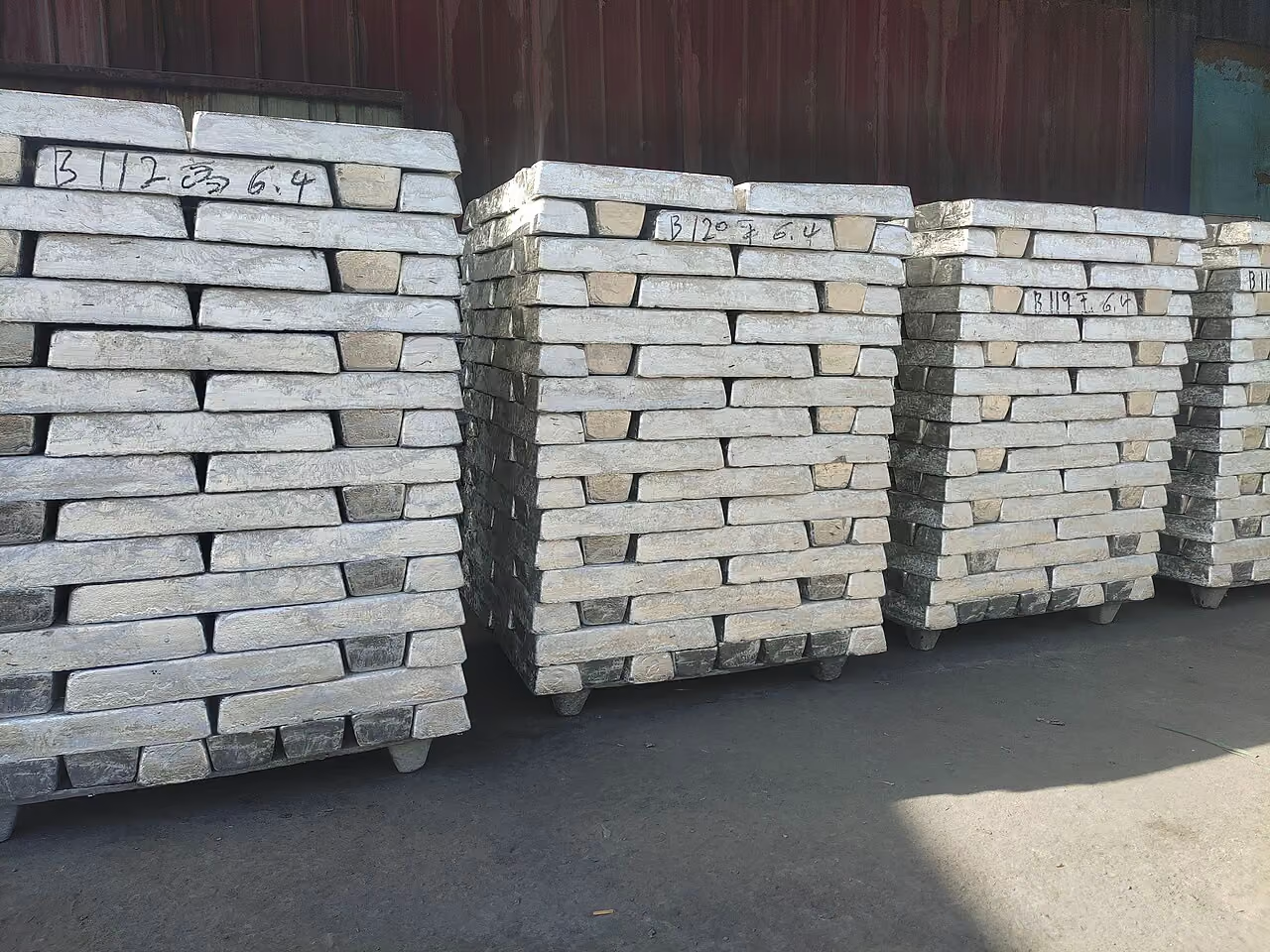




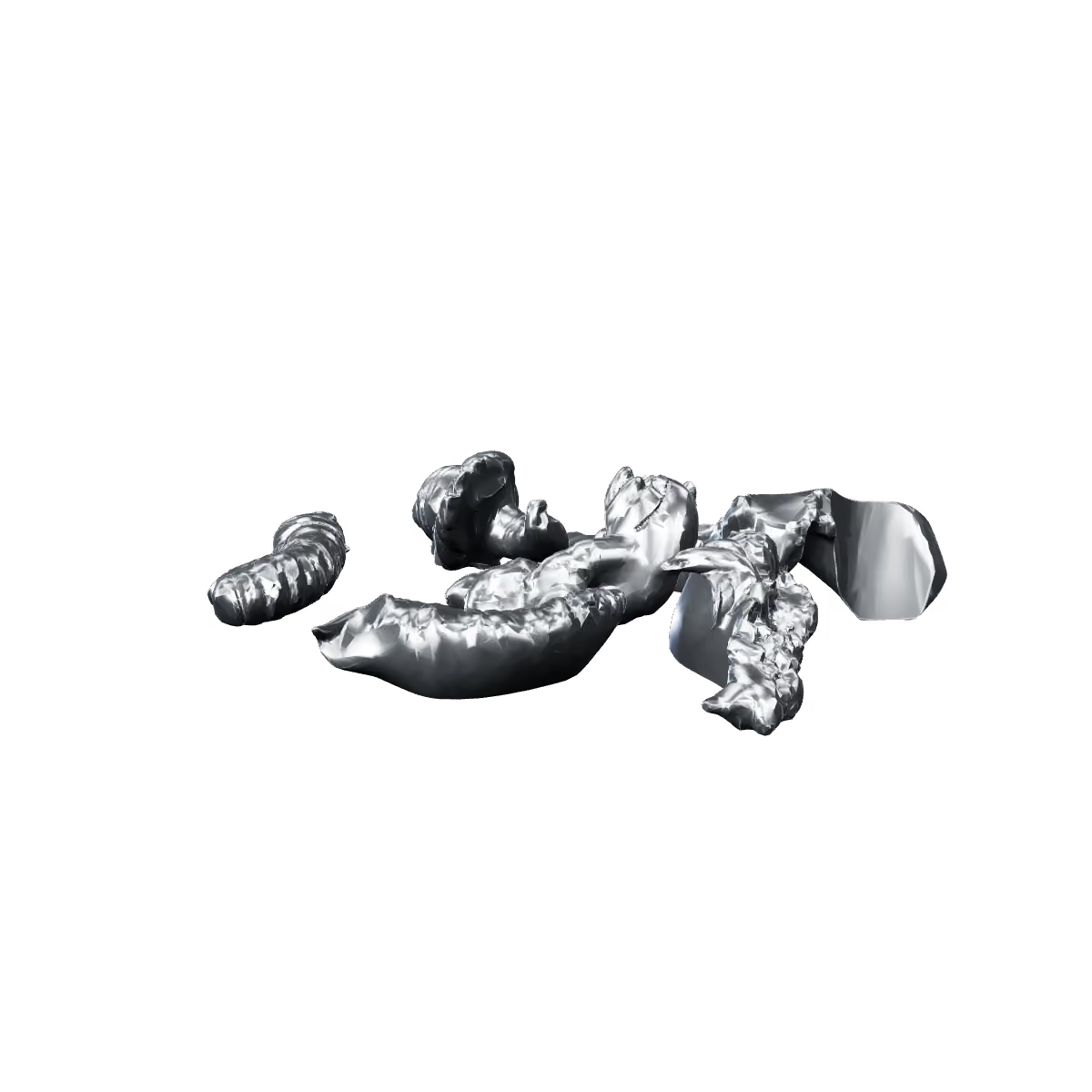
The lightweight metal of everything
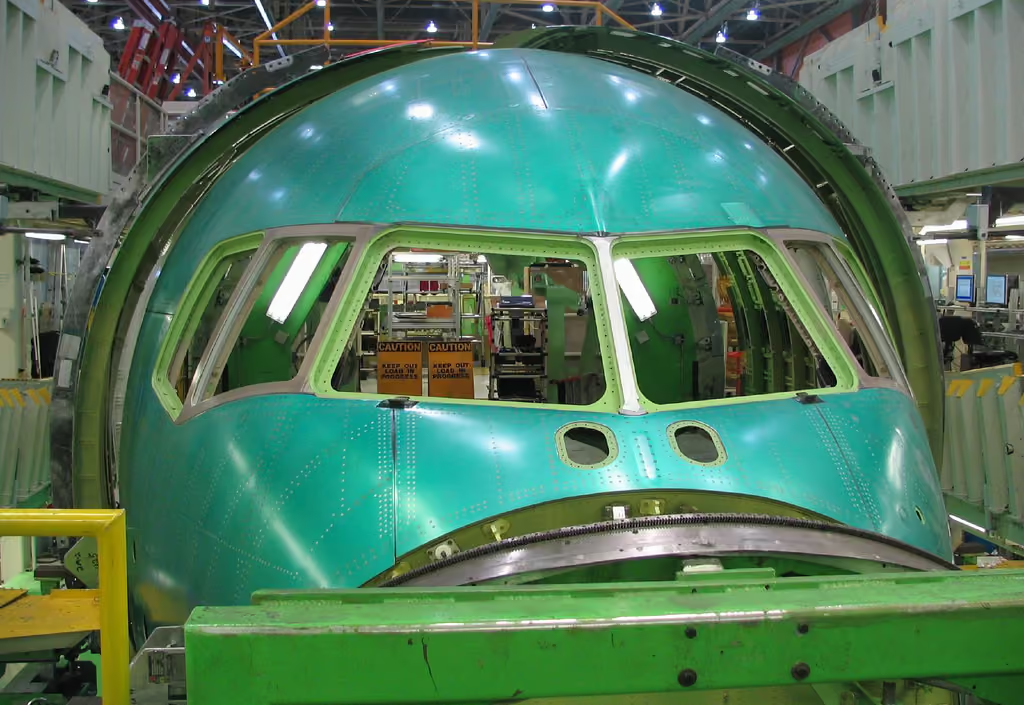
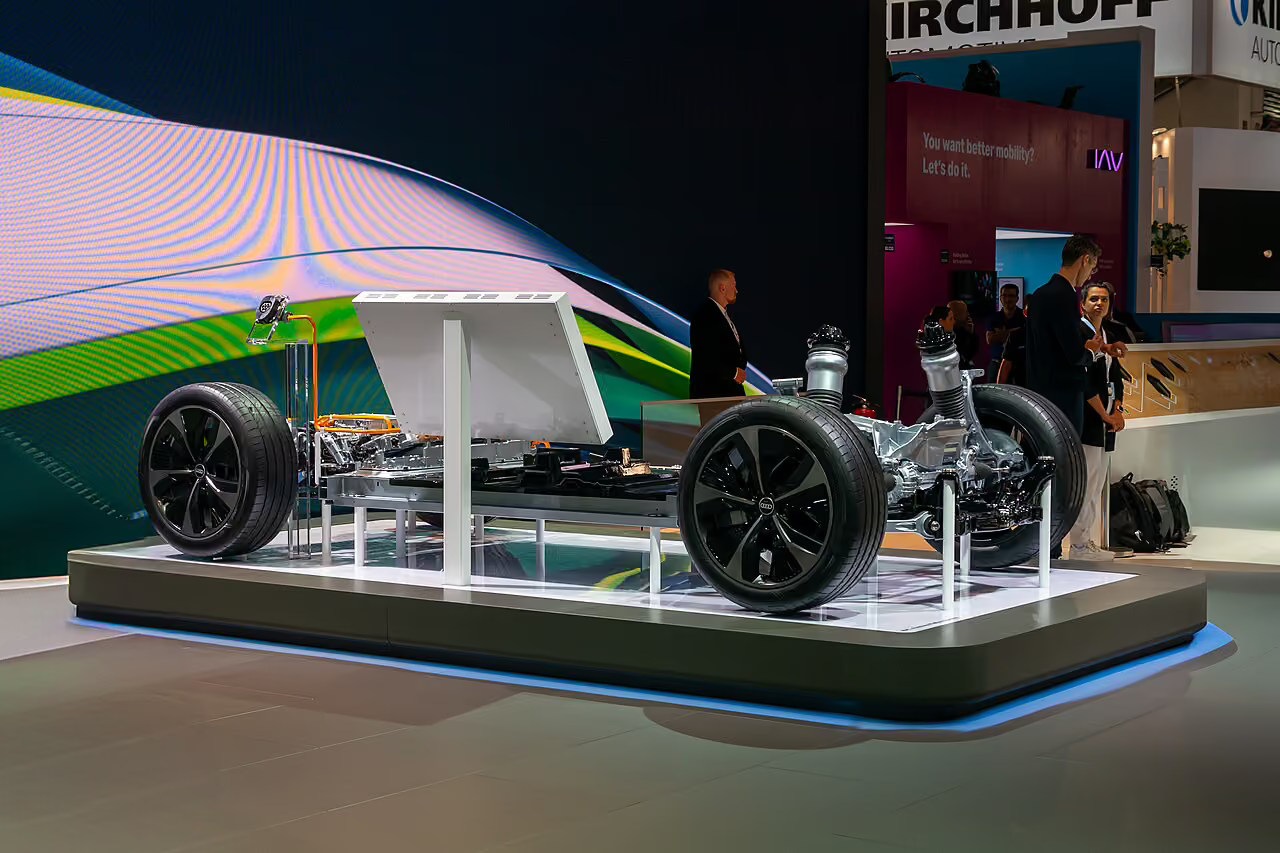




Lighter aircraft, cleaner power


Titanium flies everything





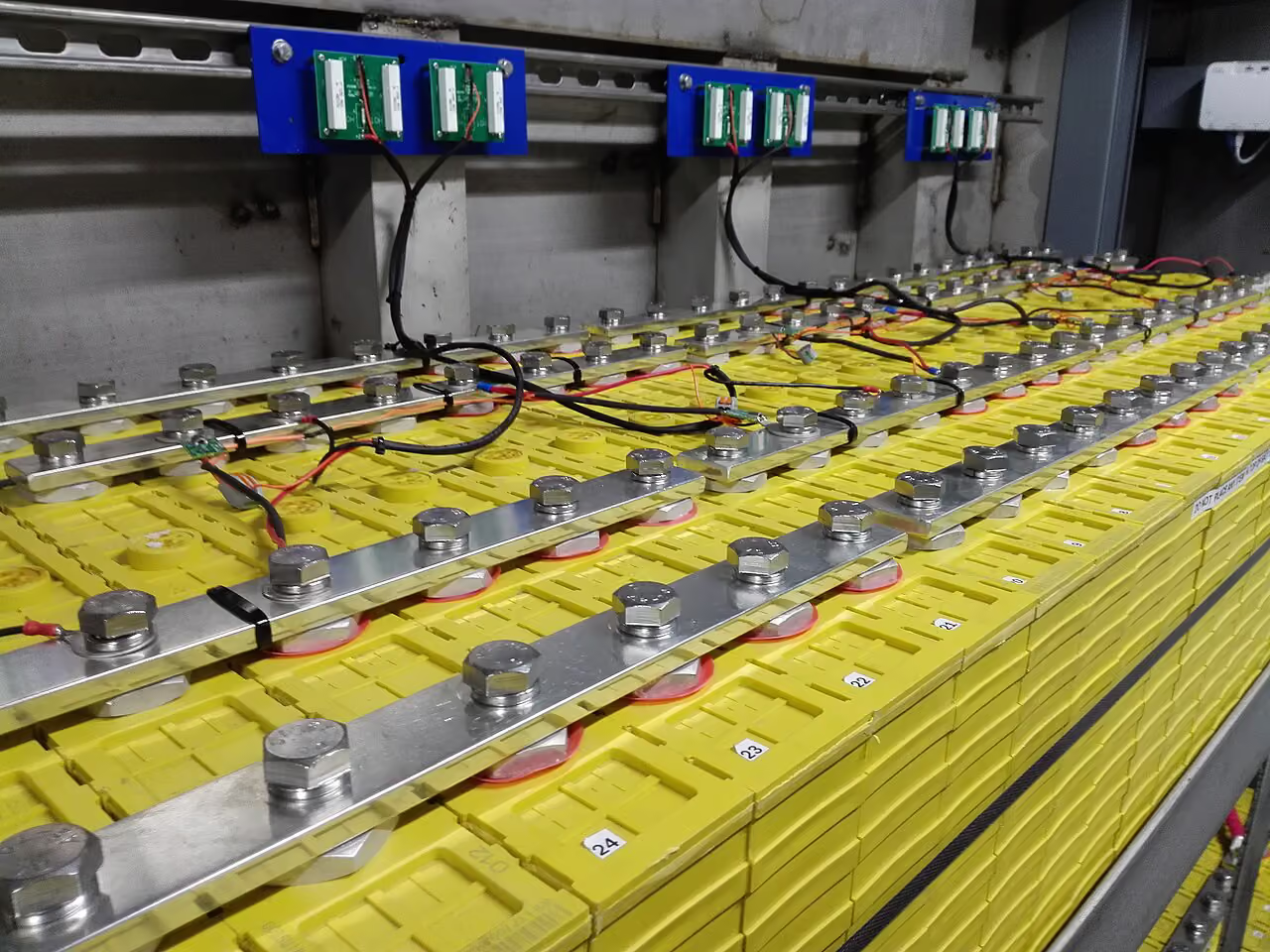
Powering long-duration grid storage
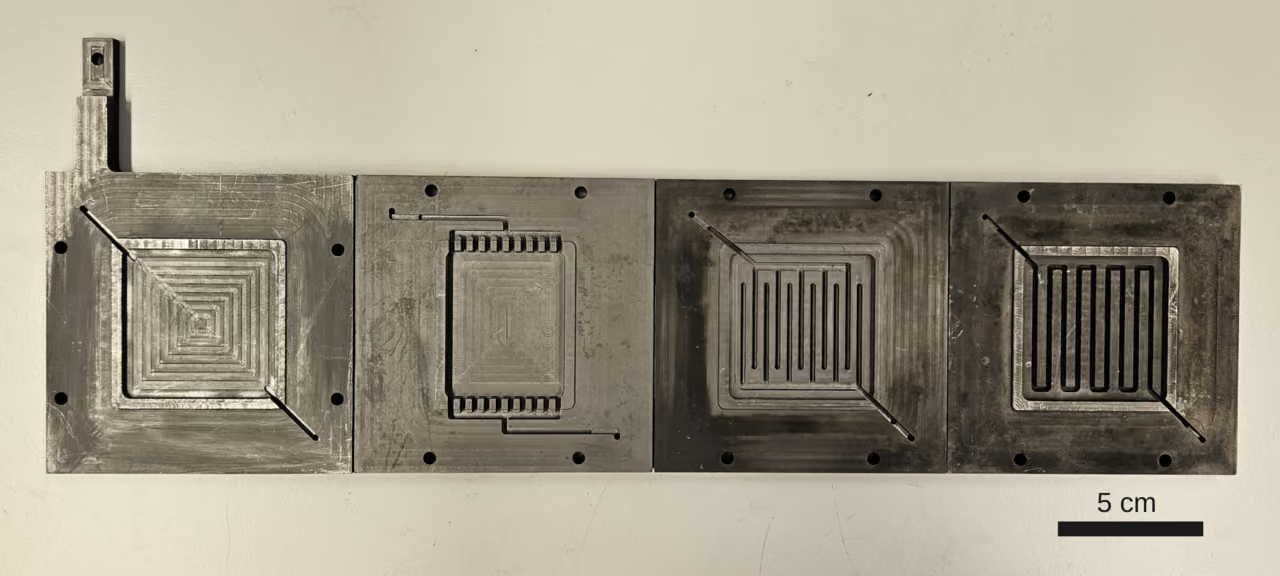
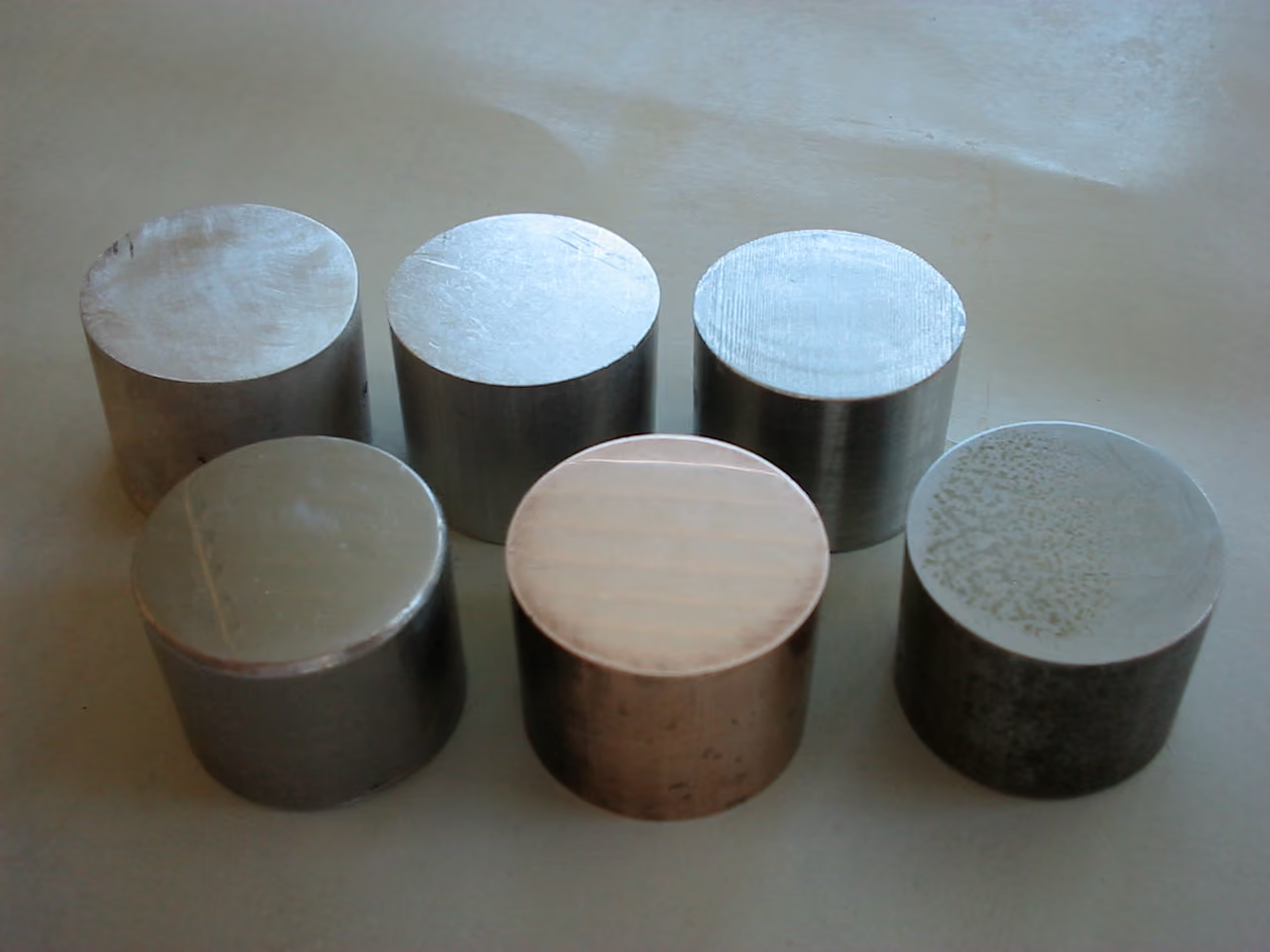


Backbone of stainless and superalloys





100 percent import dependent


Congo controls the battery metal


Indonesia owns the cathode metal


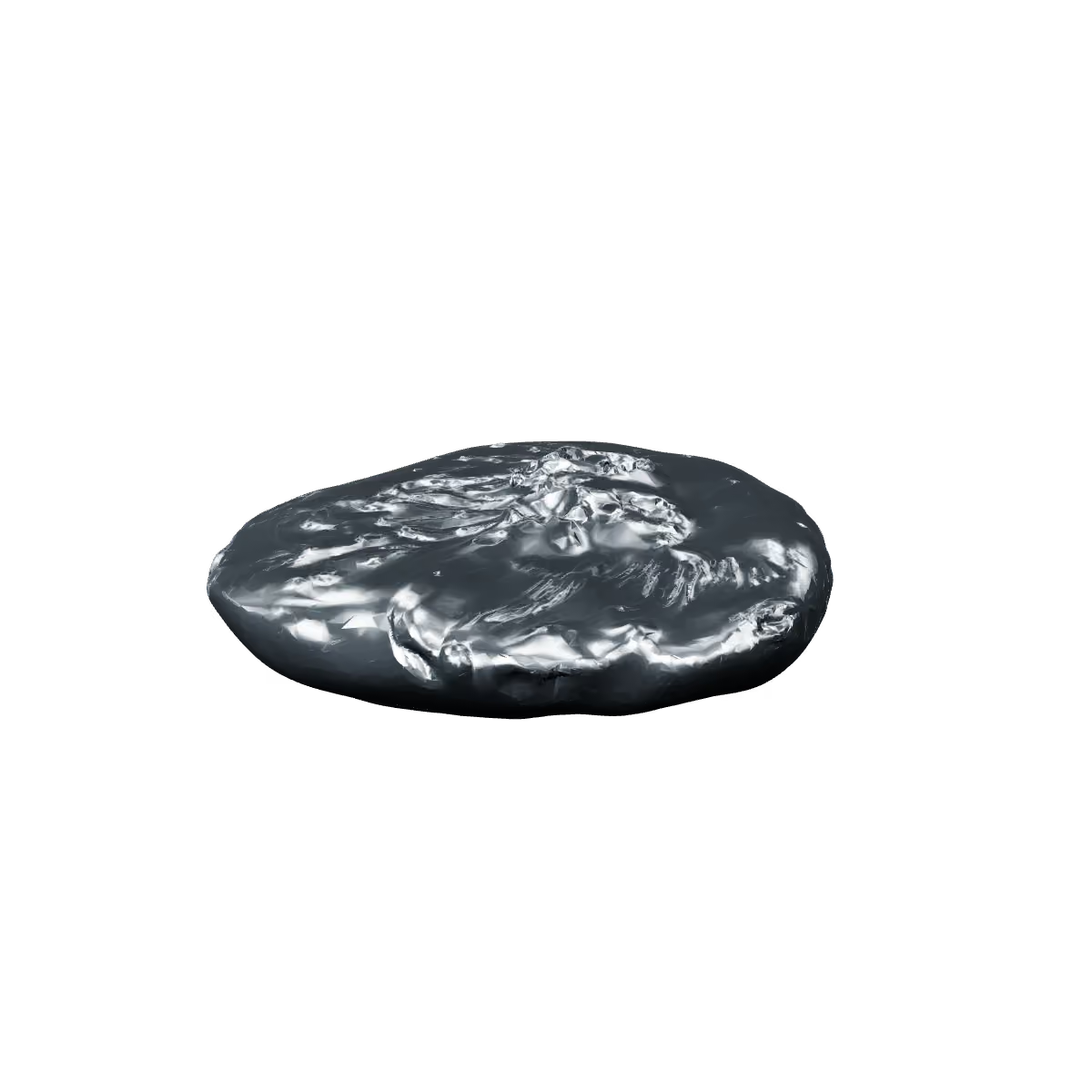
Galvanizing the industrial economy

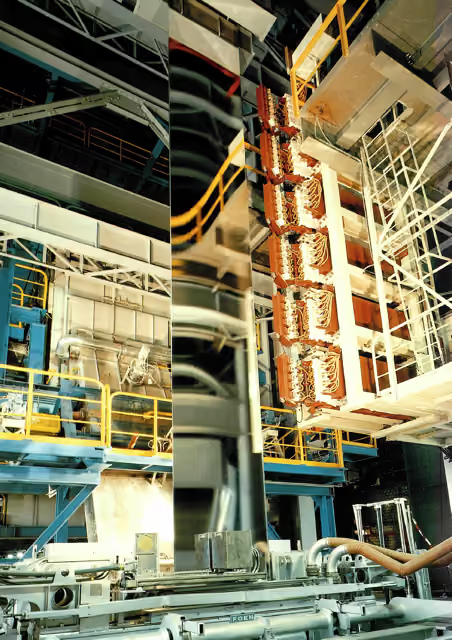




Your 5G phone needs China
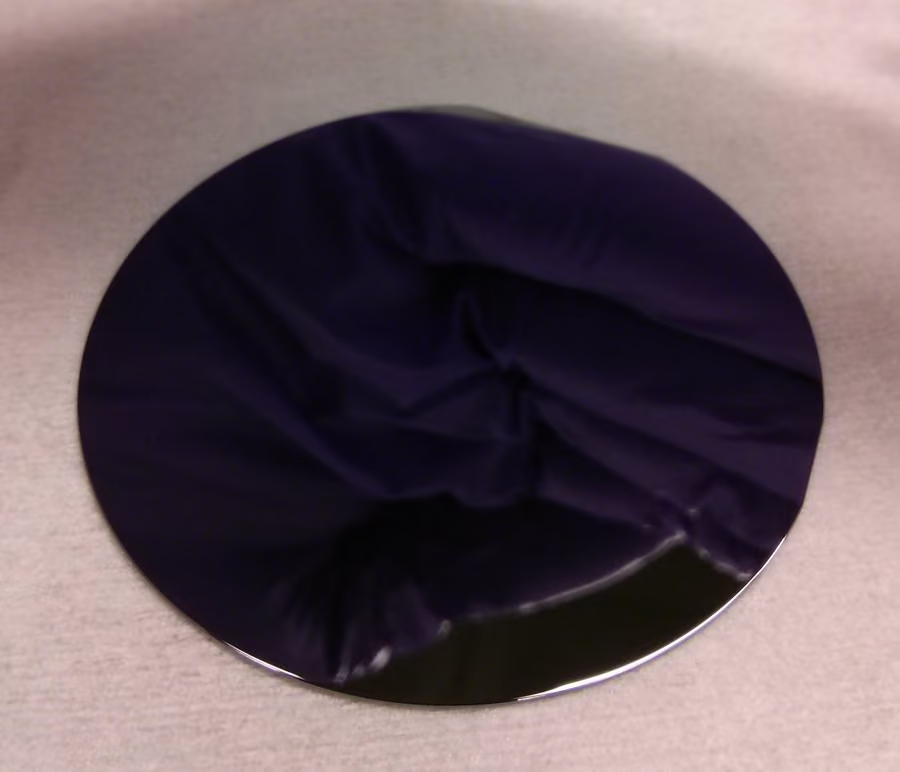

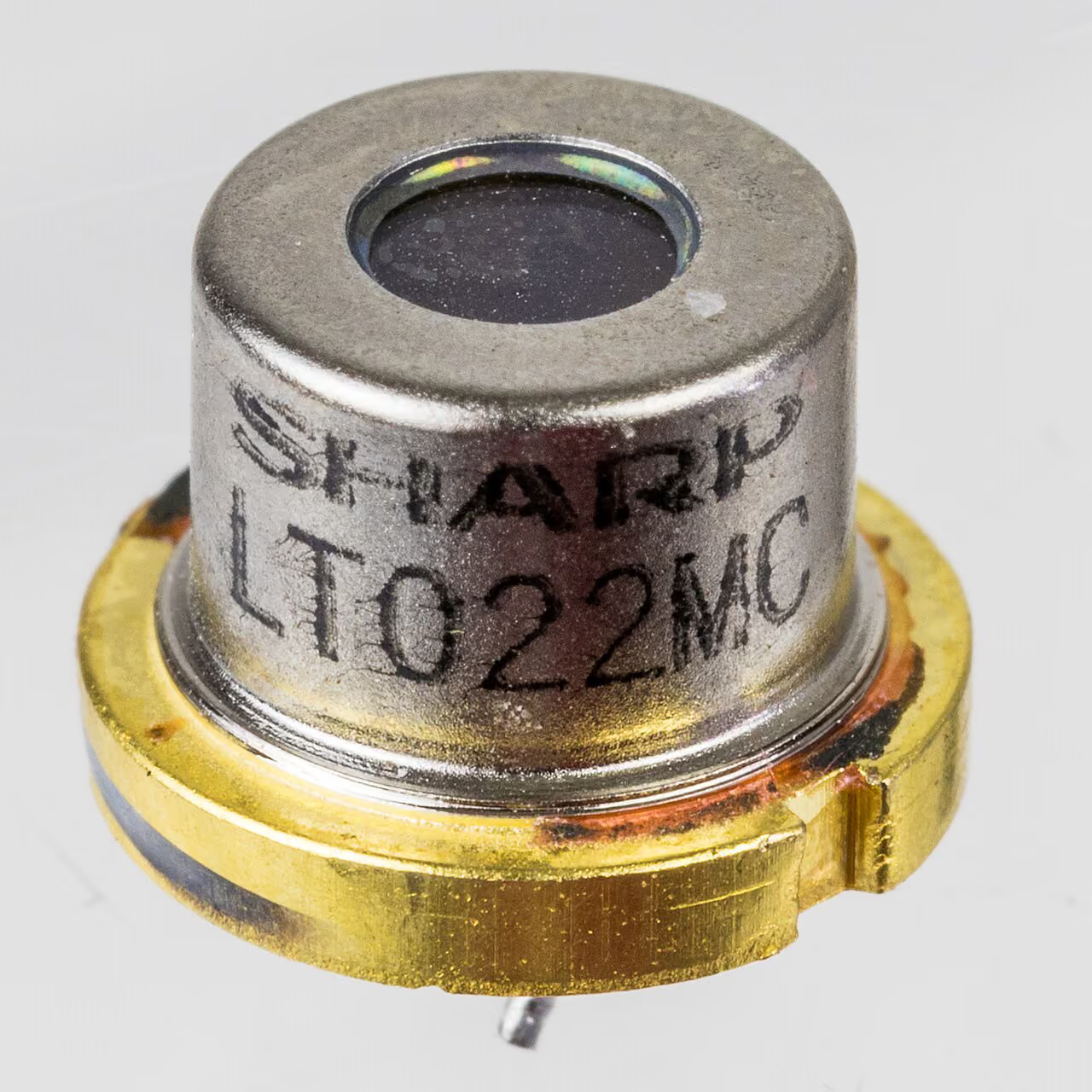



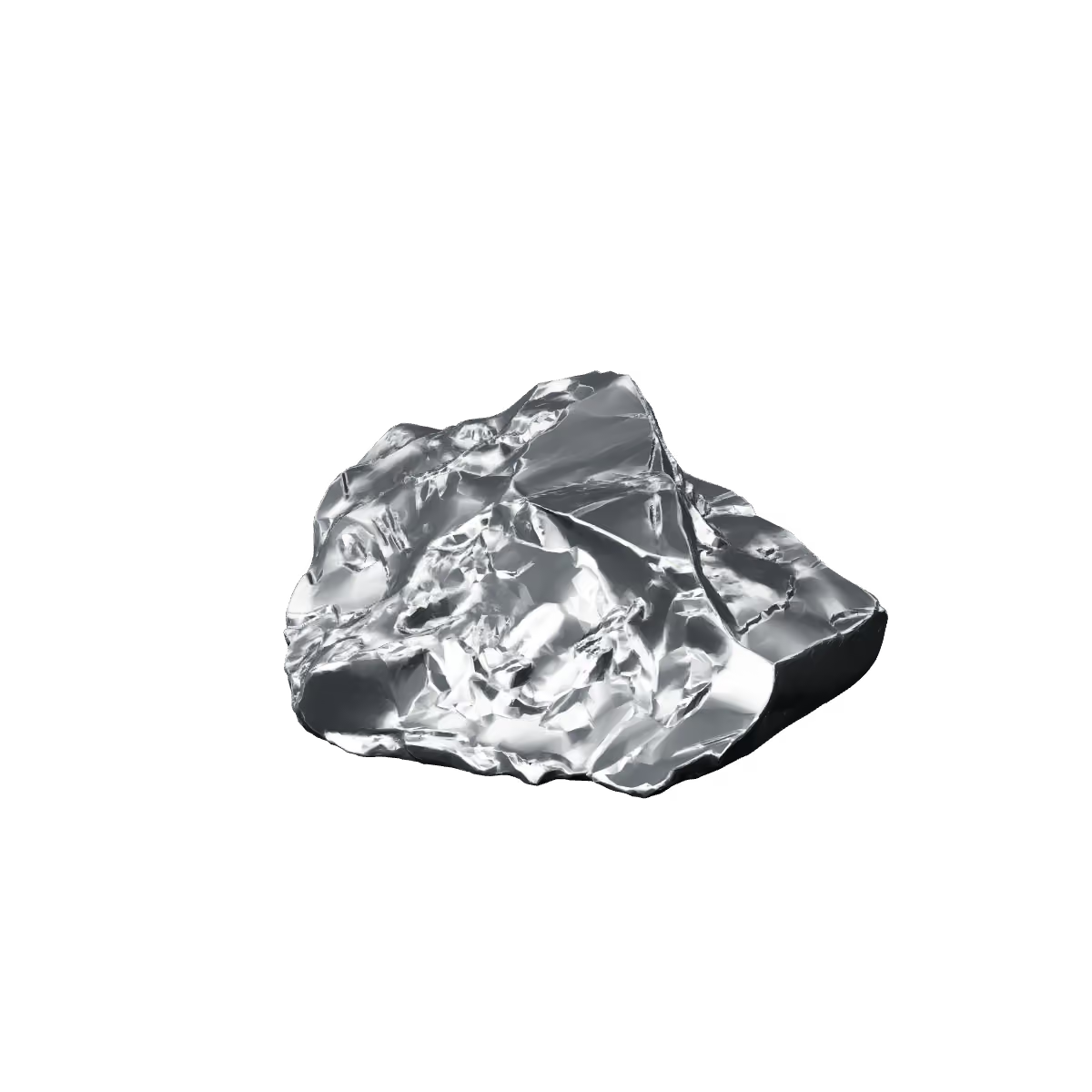
The internet runs on glass







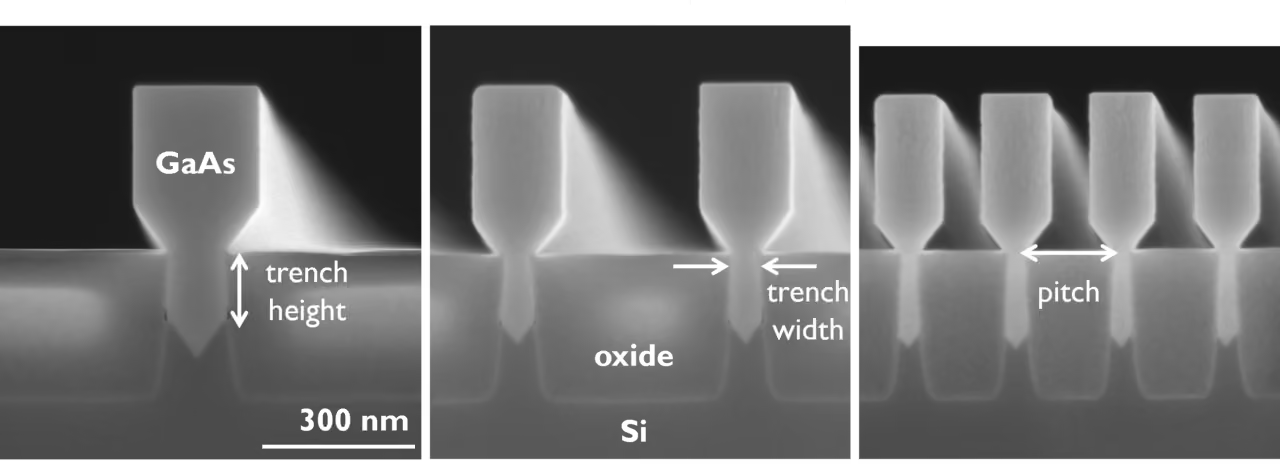
Hidden dopant inside every chip
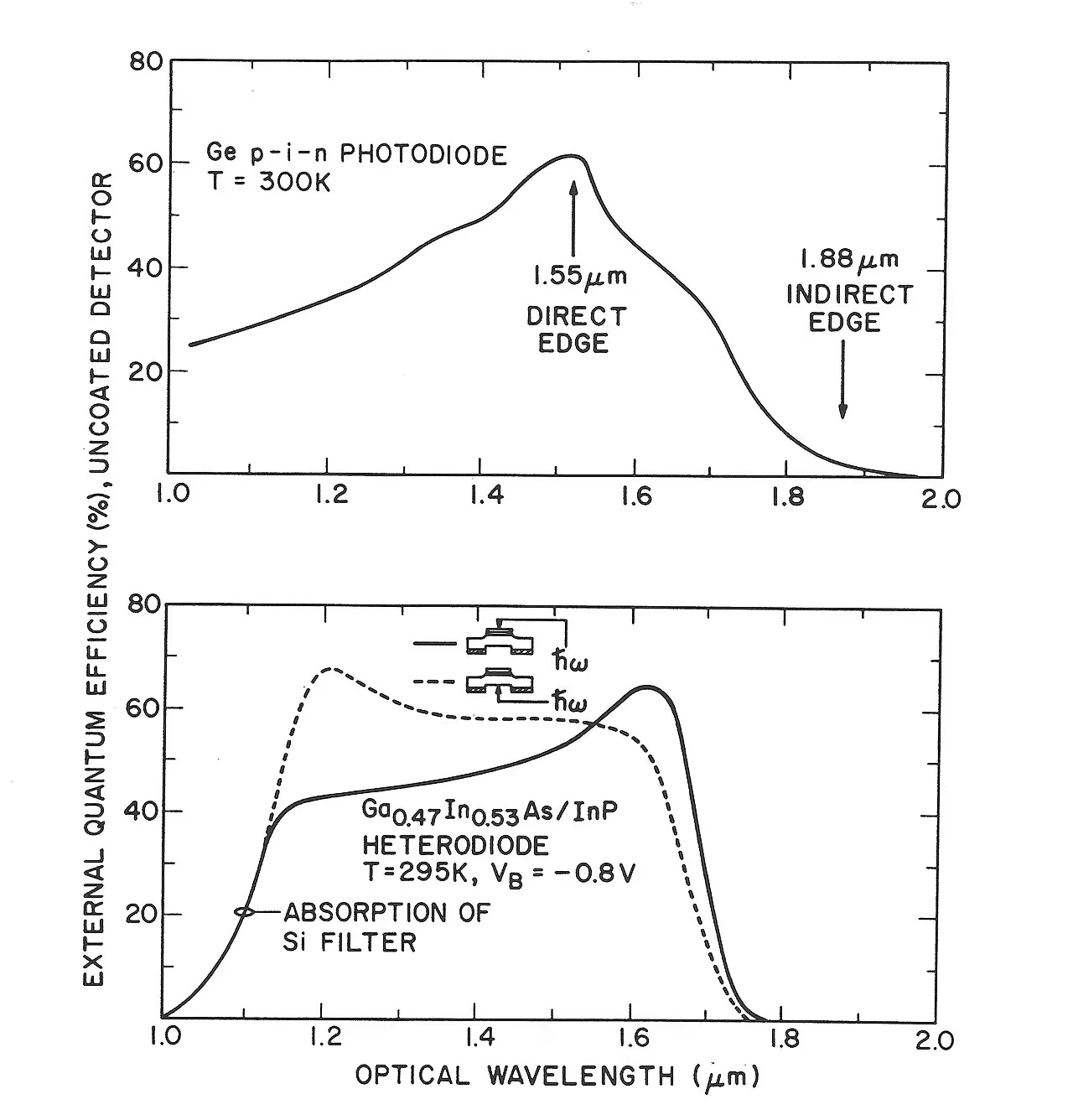




Atoms powering quantum and clocks





Lasers, displays, jet engines
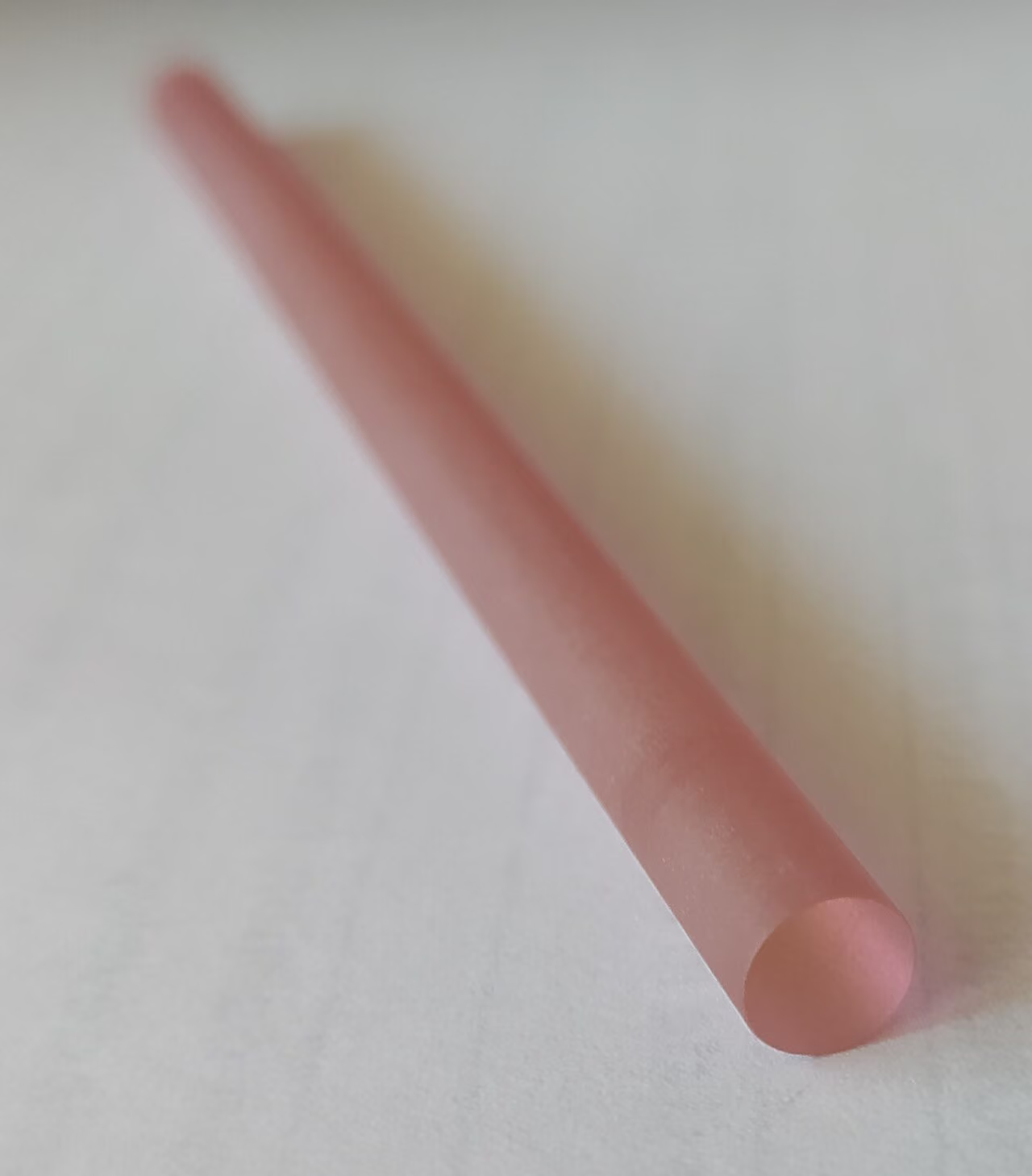
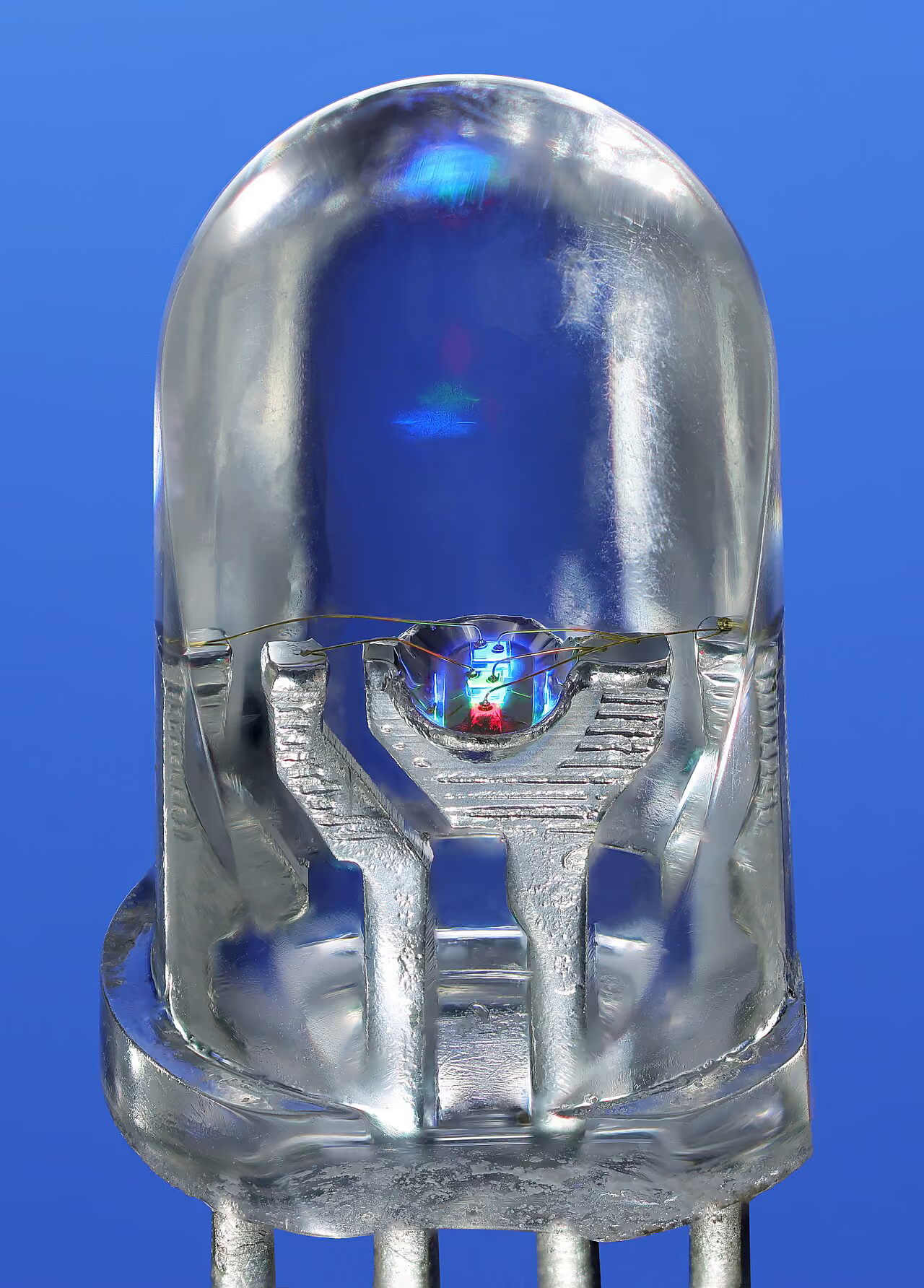


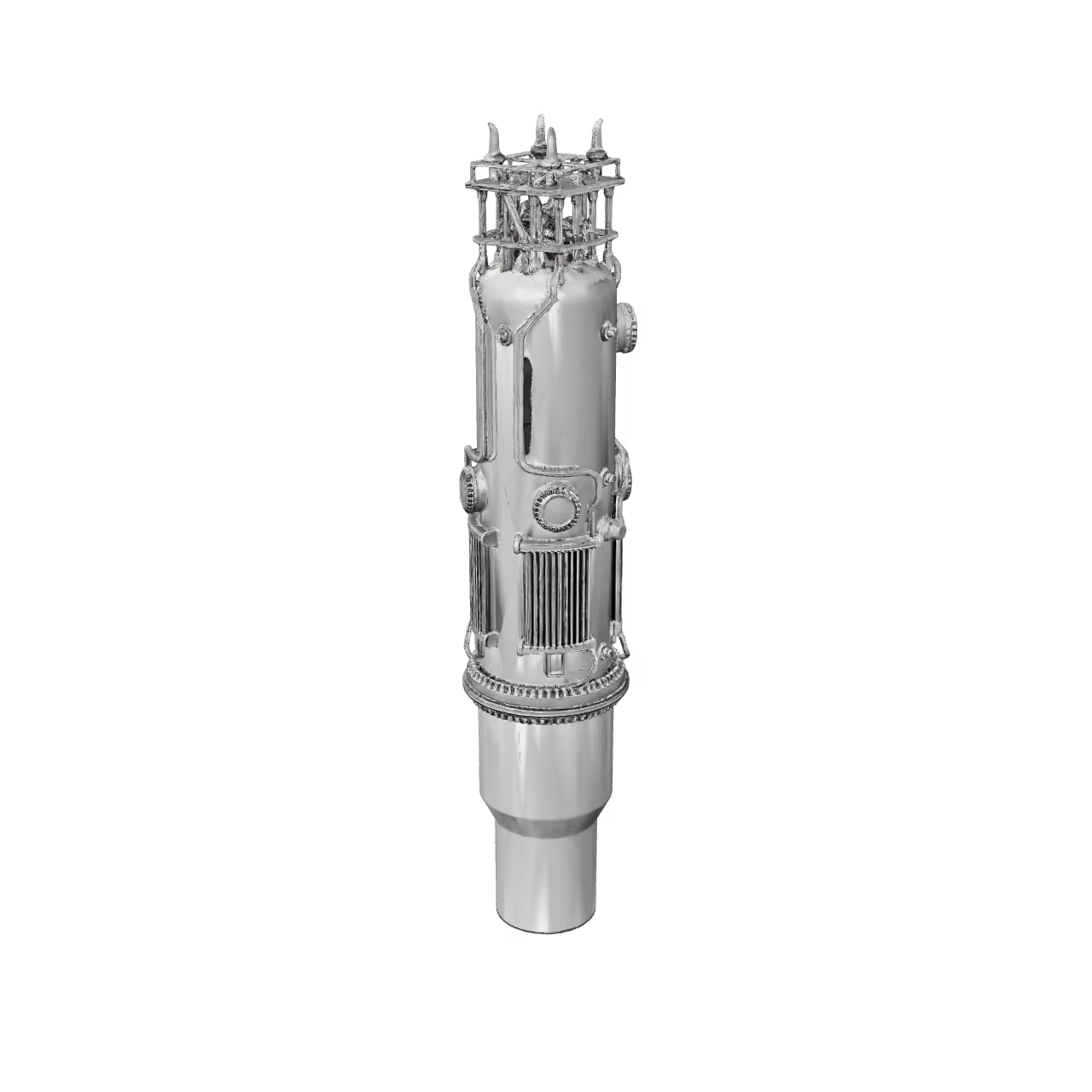
Nuclear reactors need zirconium
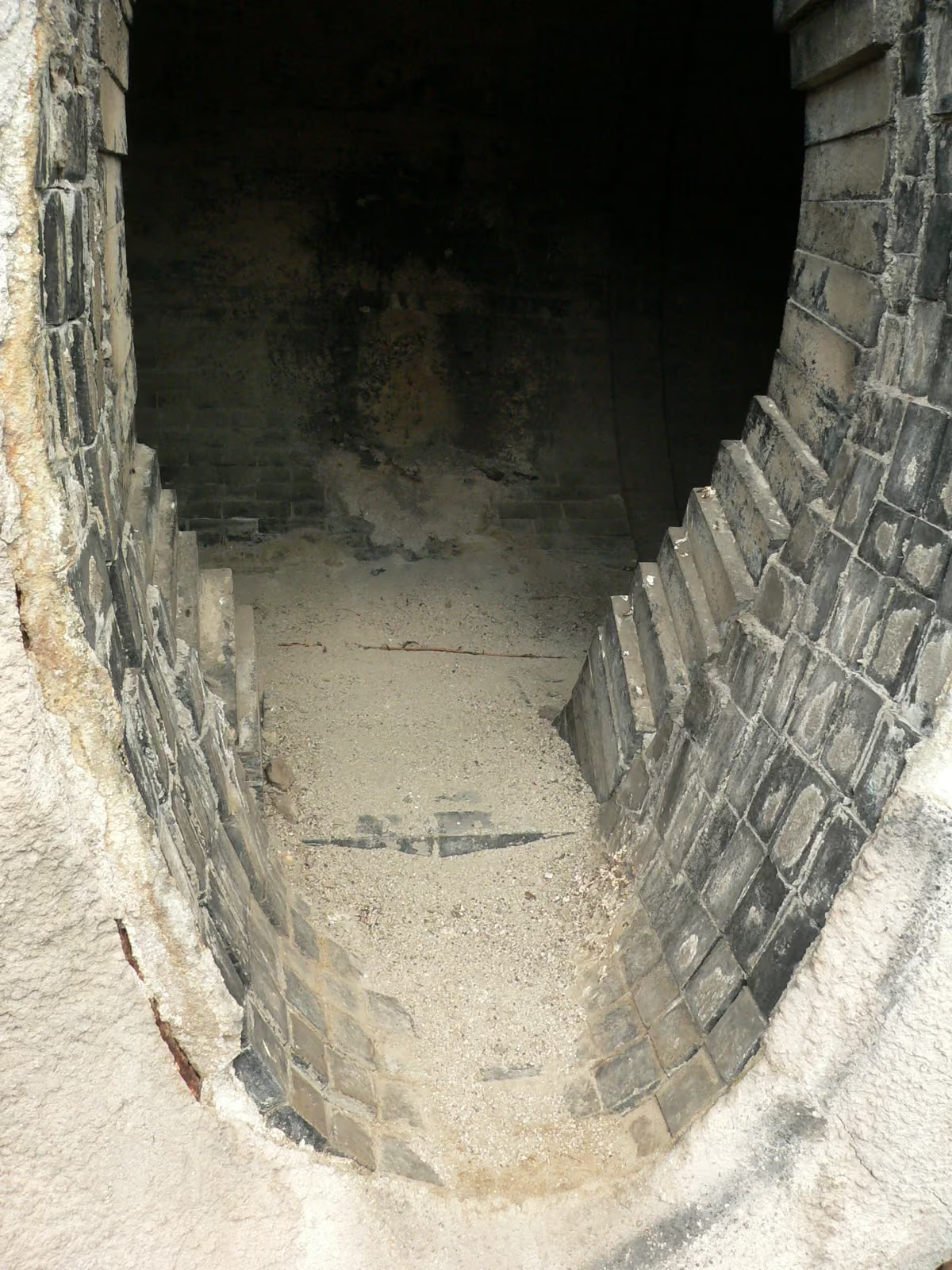




One country, Brazil, dominates


Ruthenium: the chipmaking PGM






Rhodium: scarcest emissions catalyst
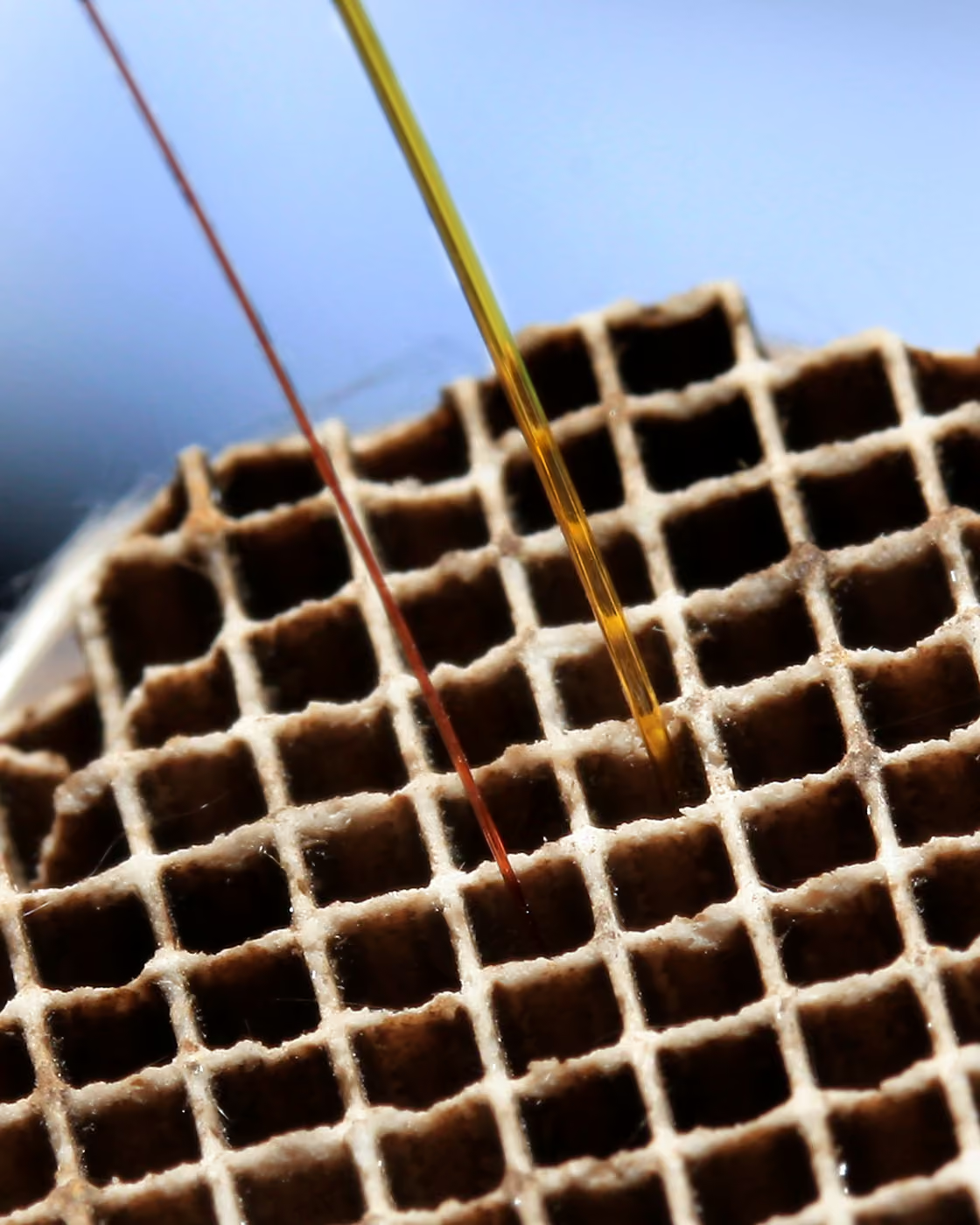




Palladium: emissions and electronics metal





Every touchscreen depends on it



The solder holding electronics together





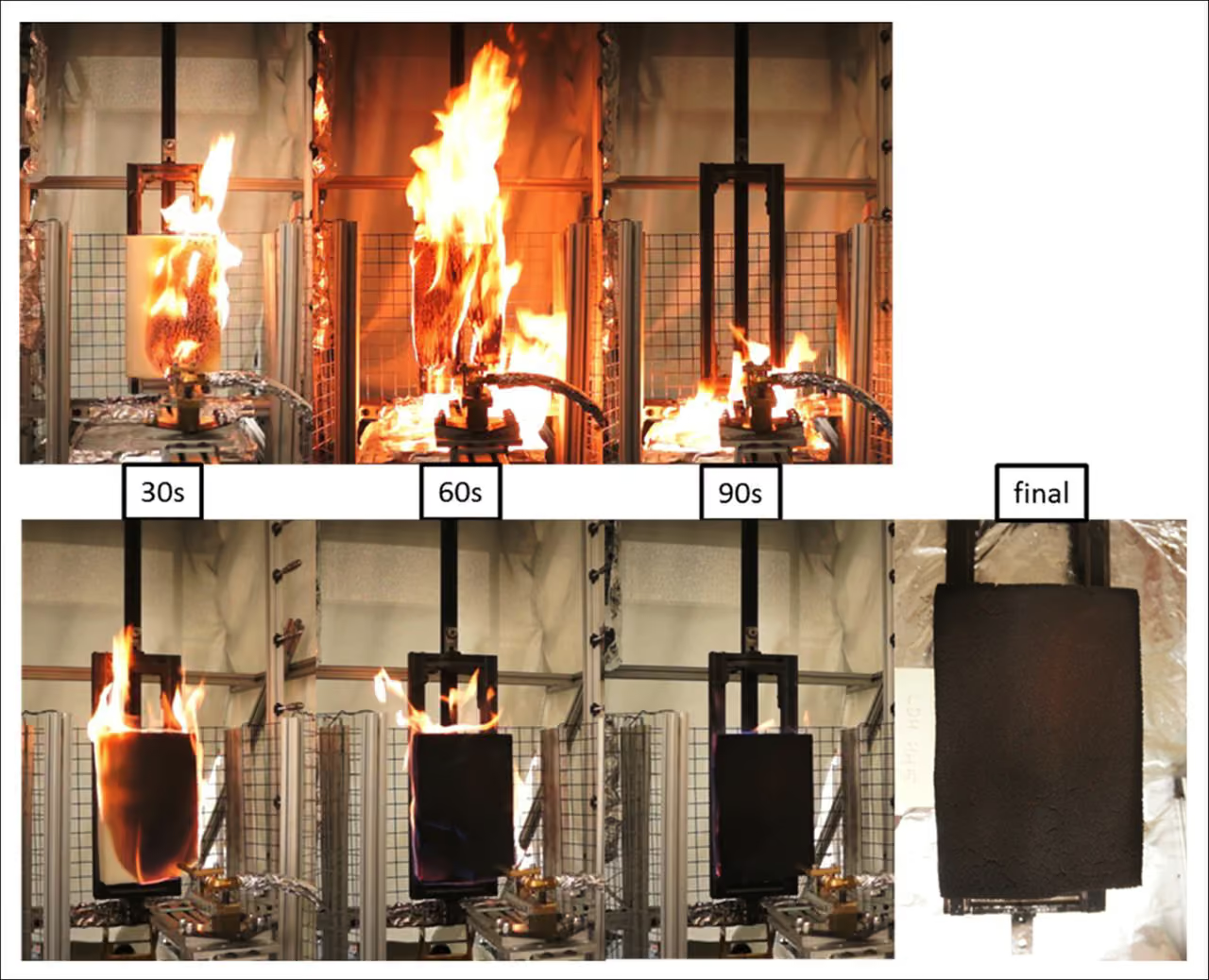
Flame retardant for all electronics

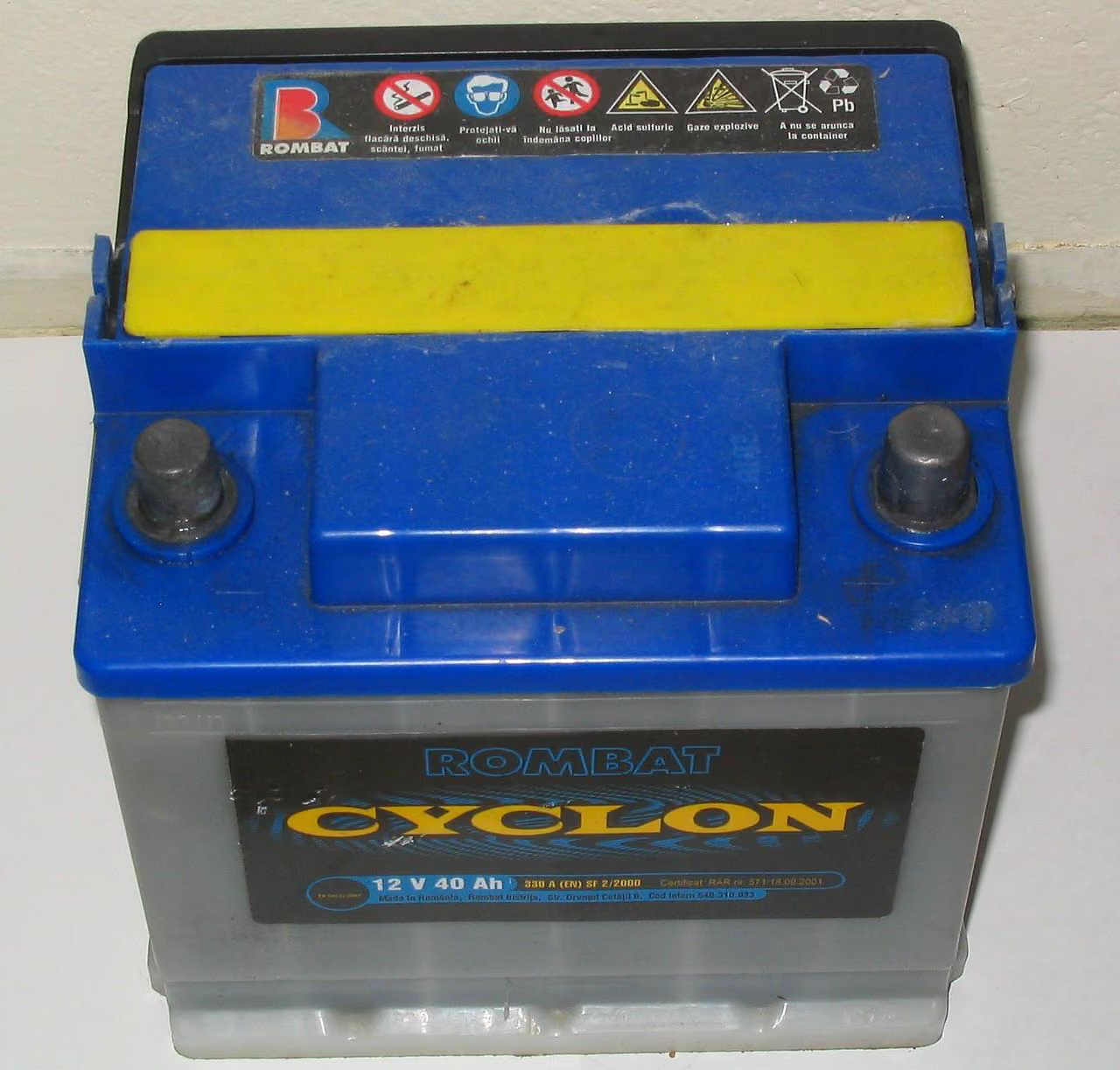




Powers America's biggest solar maker






Heartbeat of GPS and time

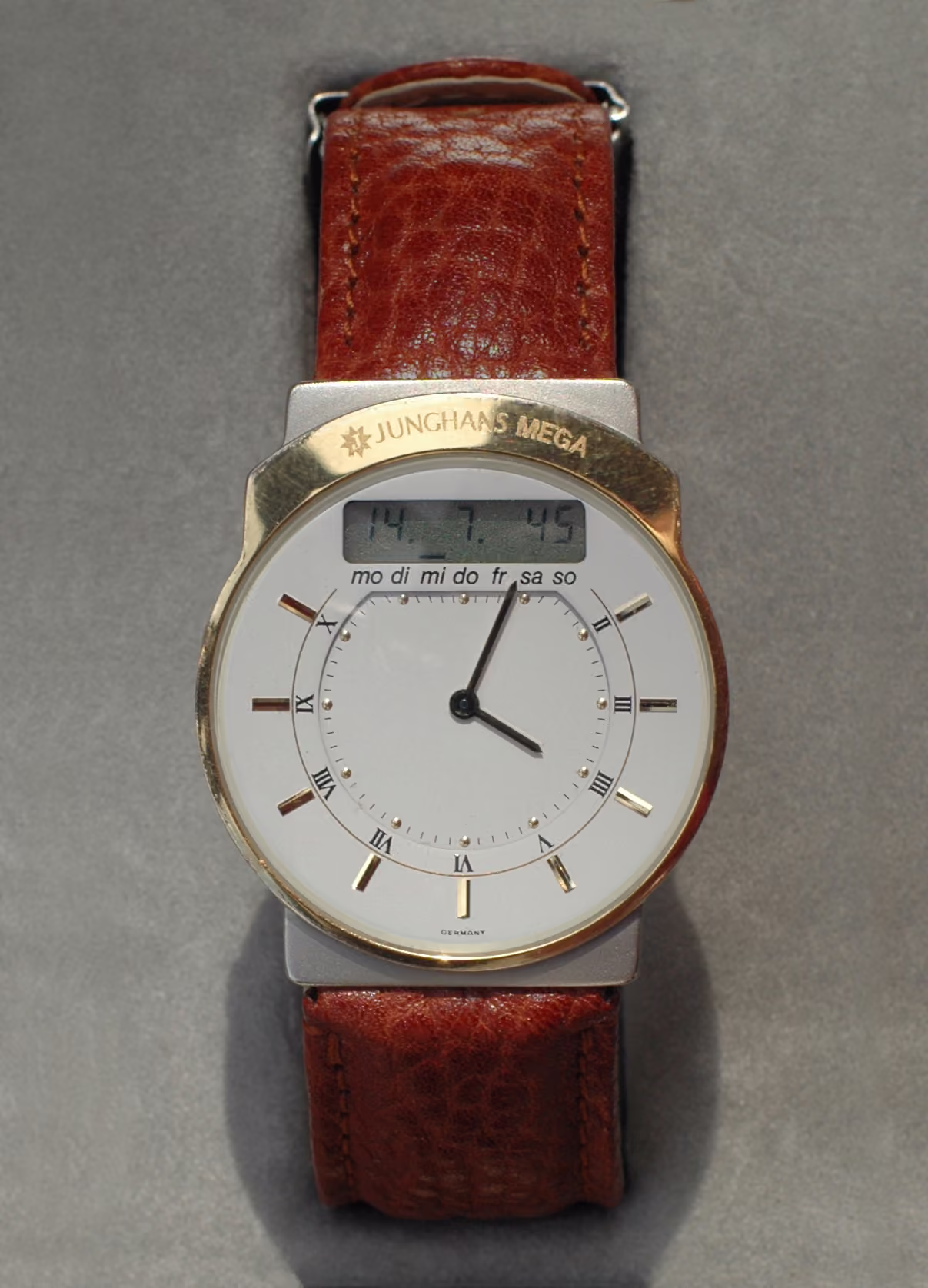
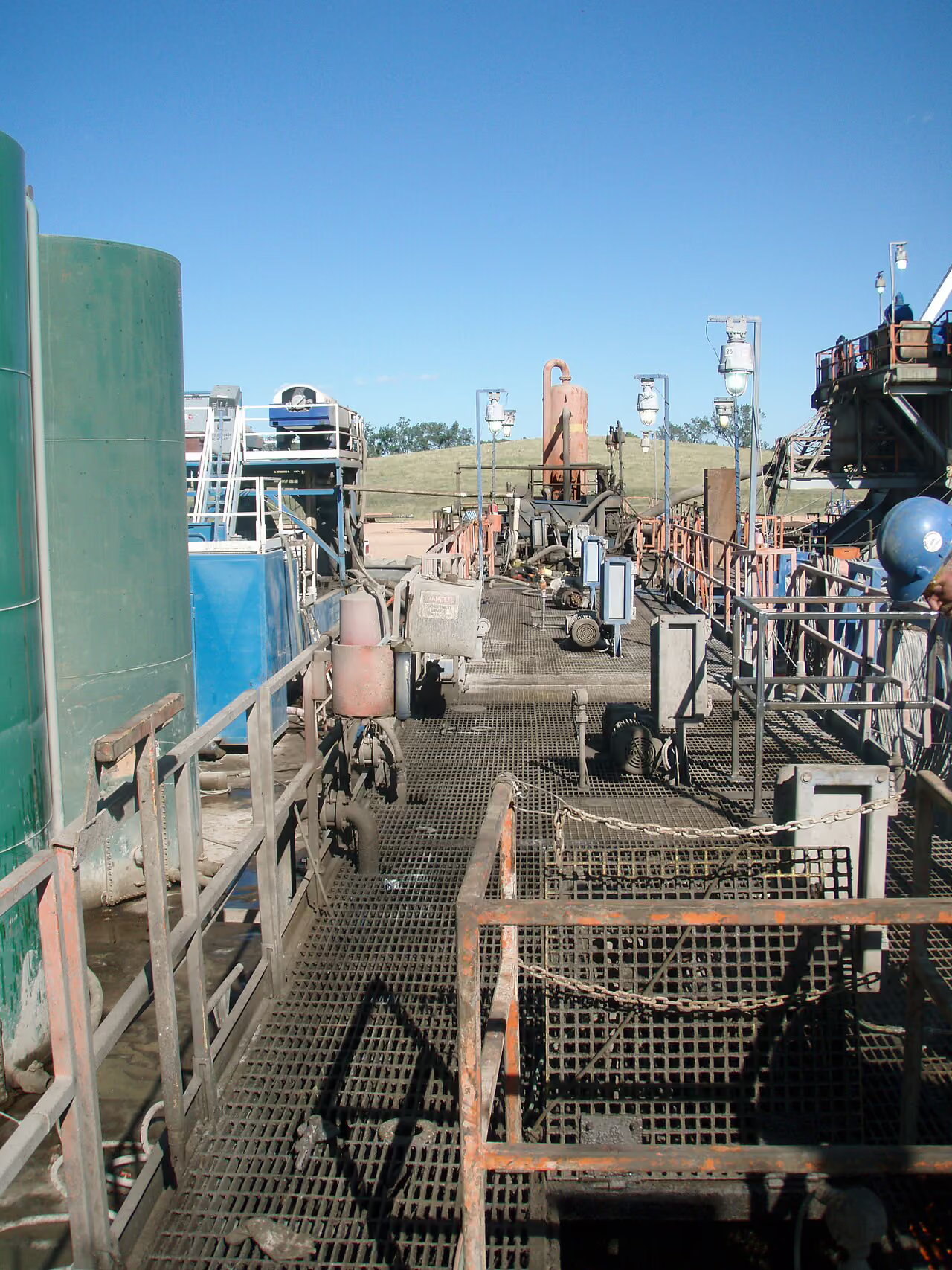

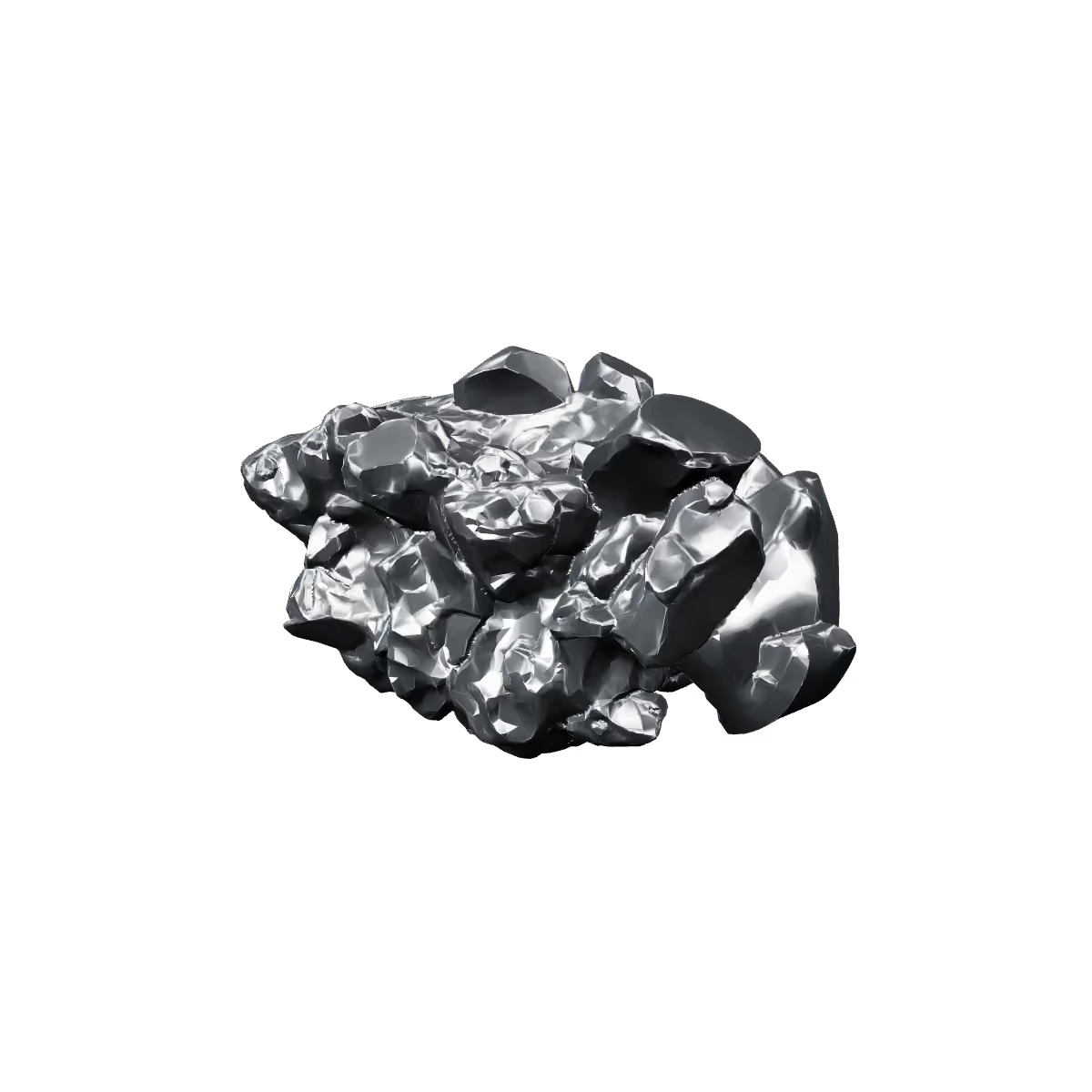
Drilling mud to ceramic capacitors
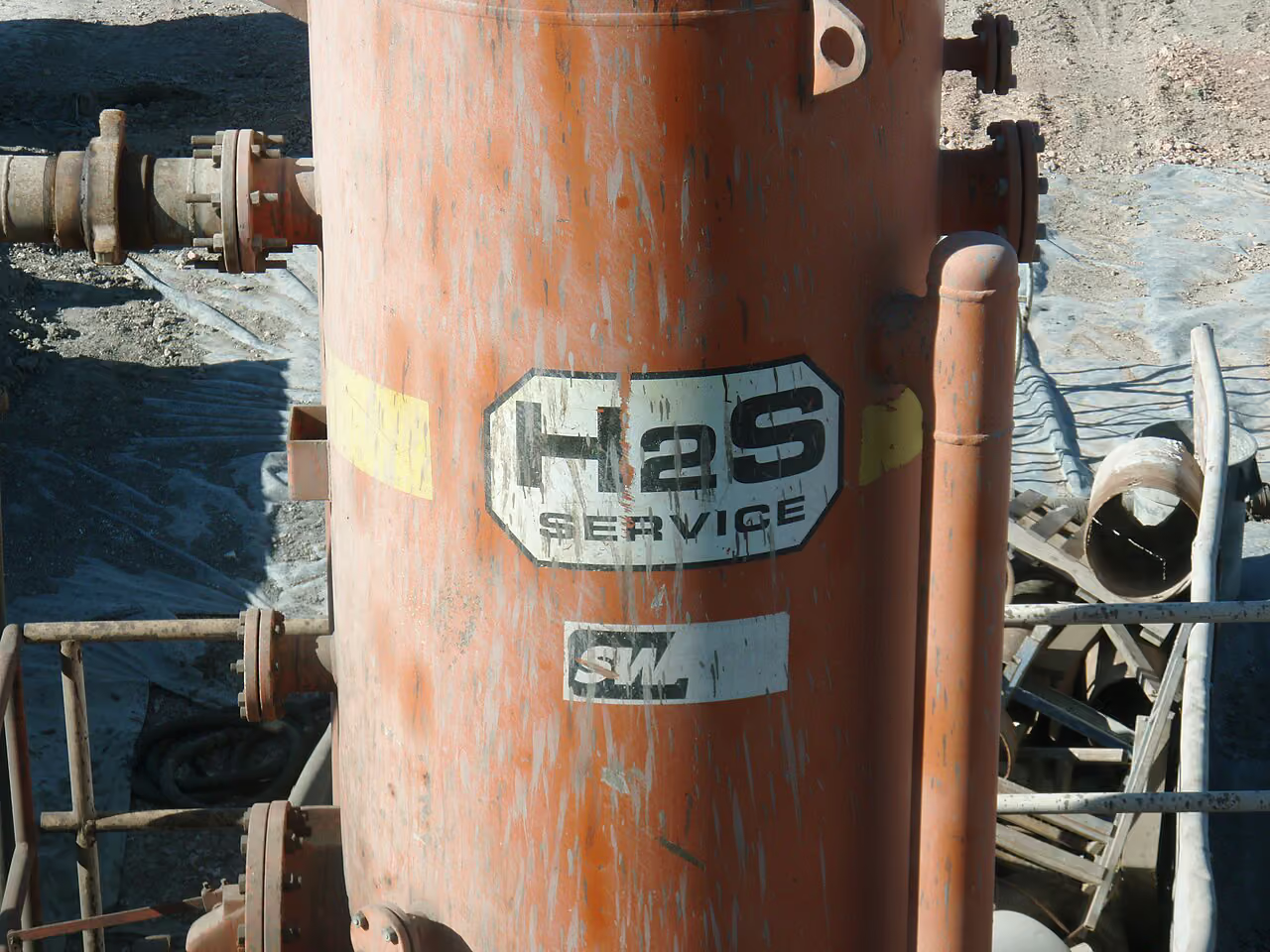

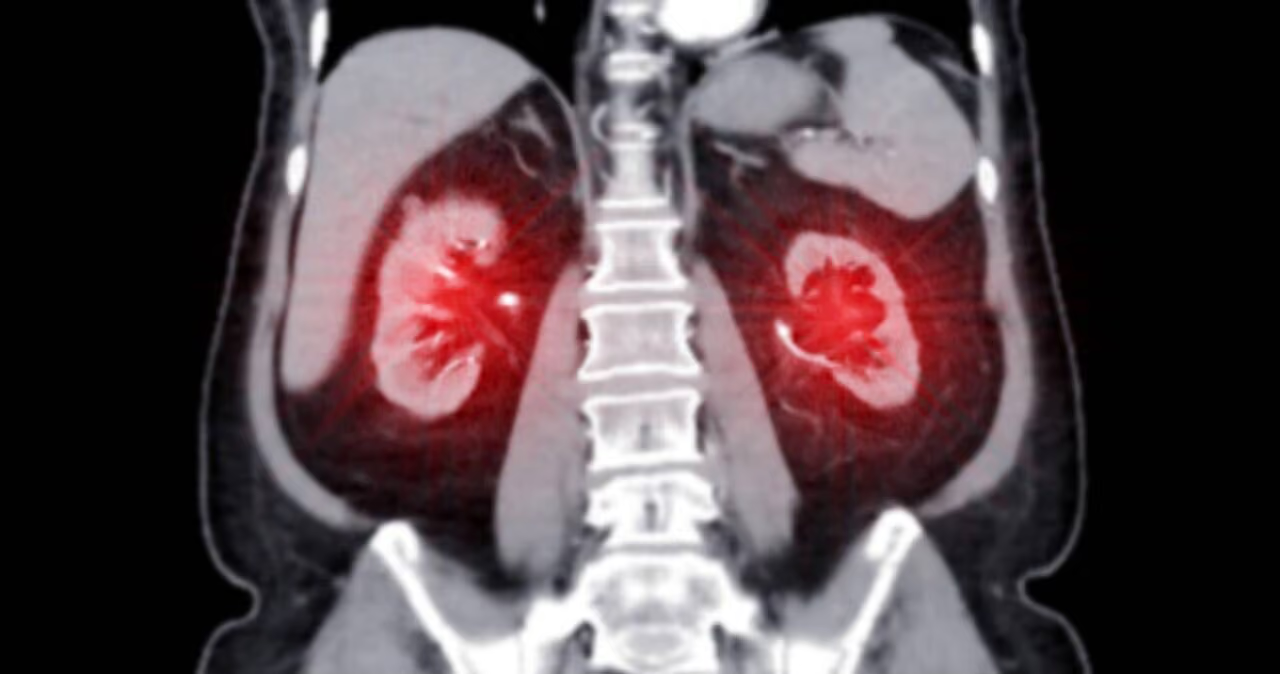


Hybrid batteries and refining catalysts
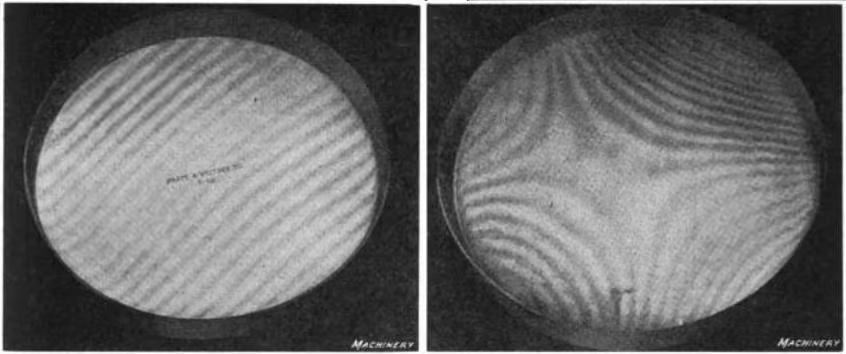


Polishing chips, cleaning emissions


Magnets for EVs and wind



The magnet behind electrification
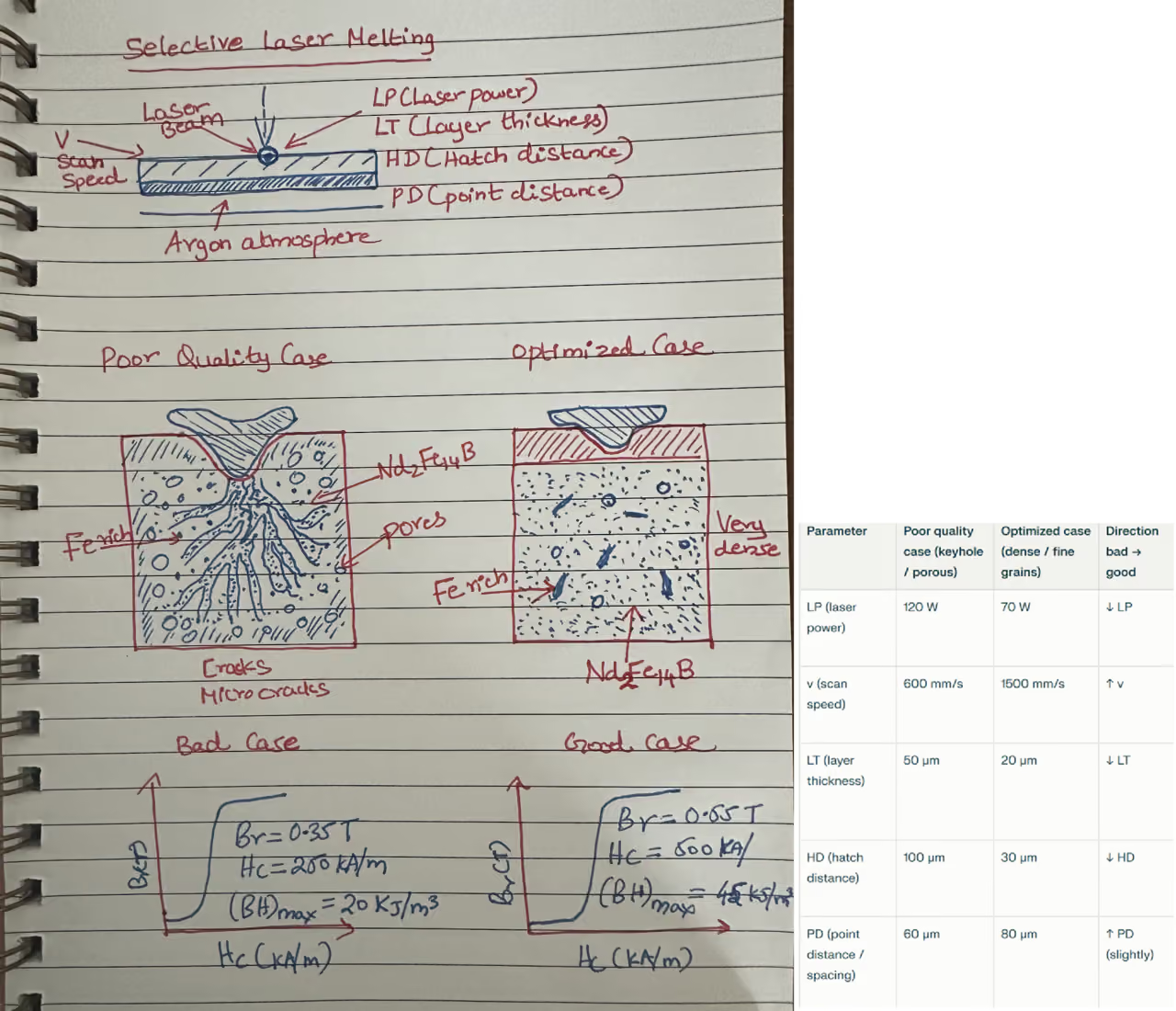


Samarium powers defense magnets


Europium lights up displays




Gadolinium enables MRI scans





Terbium toughens EV magnets

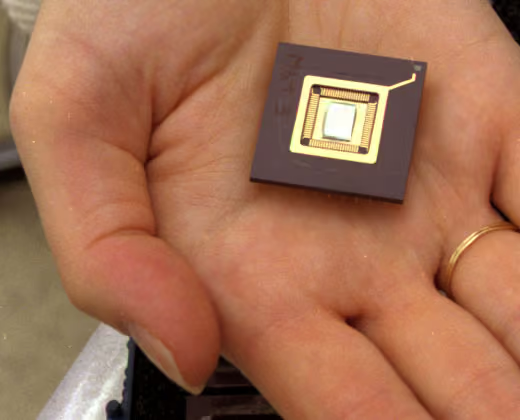


Dysprosium drives EV motors

Holmium powers surgical lasers
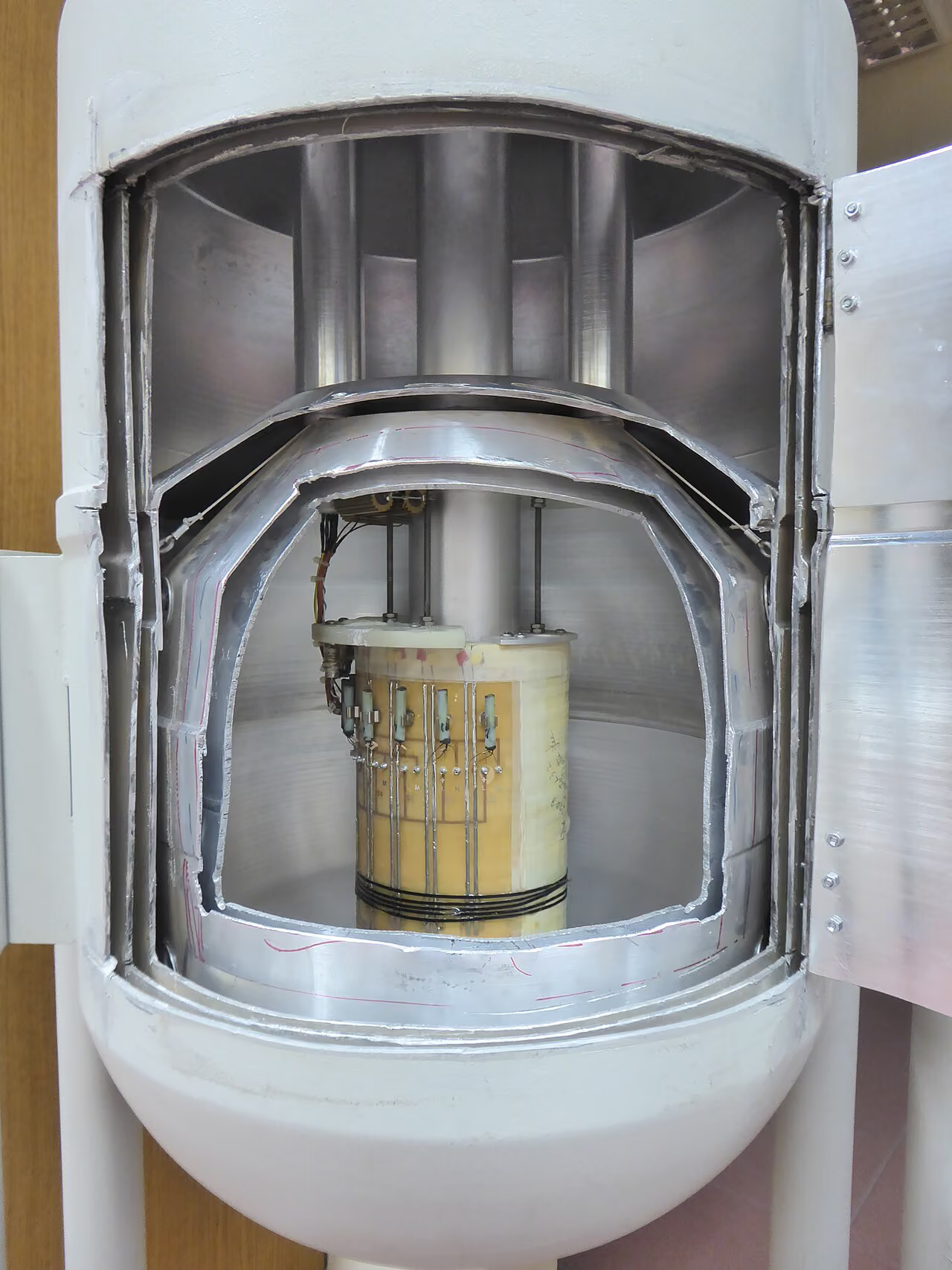




Erbium amplifies the internet





Thulium fuels fiber lasers




Ytterbium powers industrial lasers
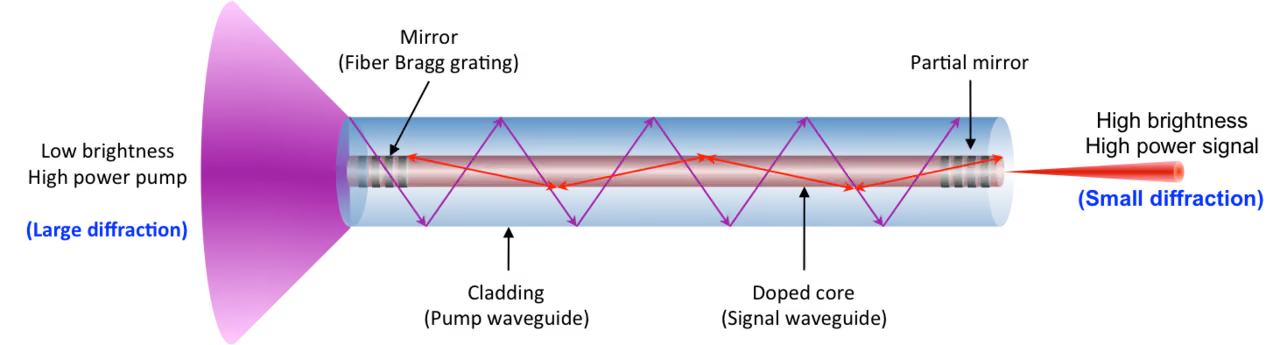




Lutetium enables PET imaging

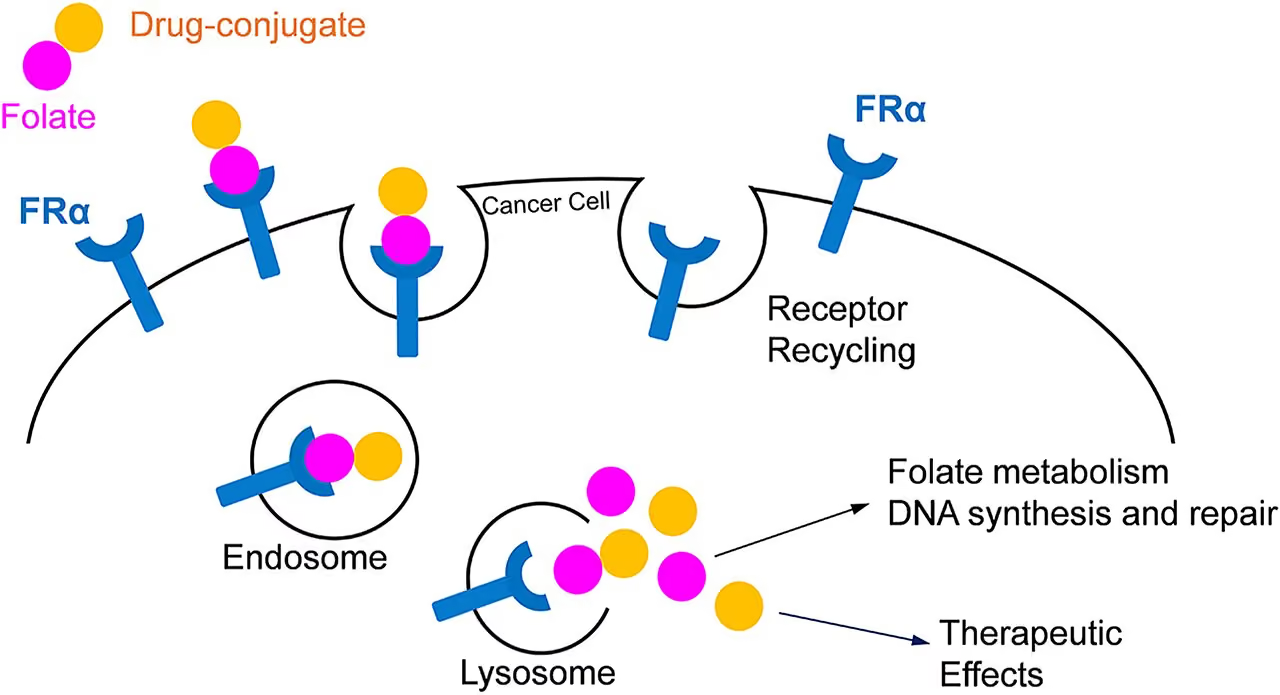
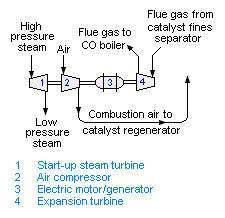


Hidden in chips and engines
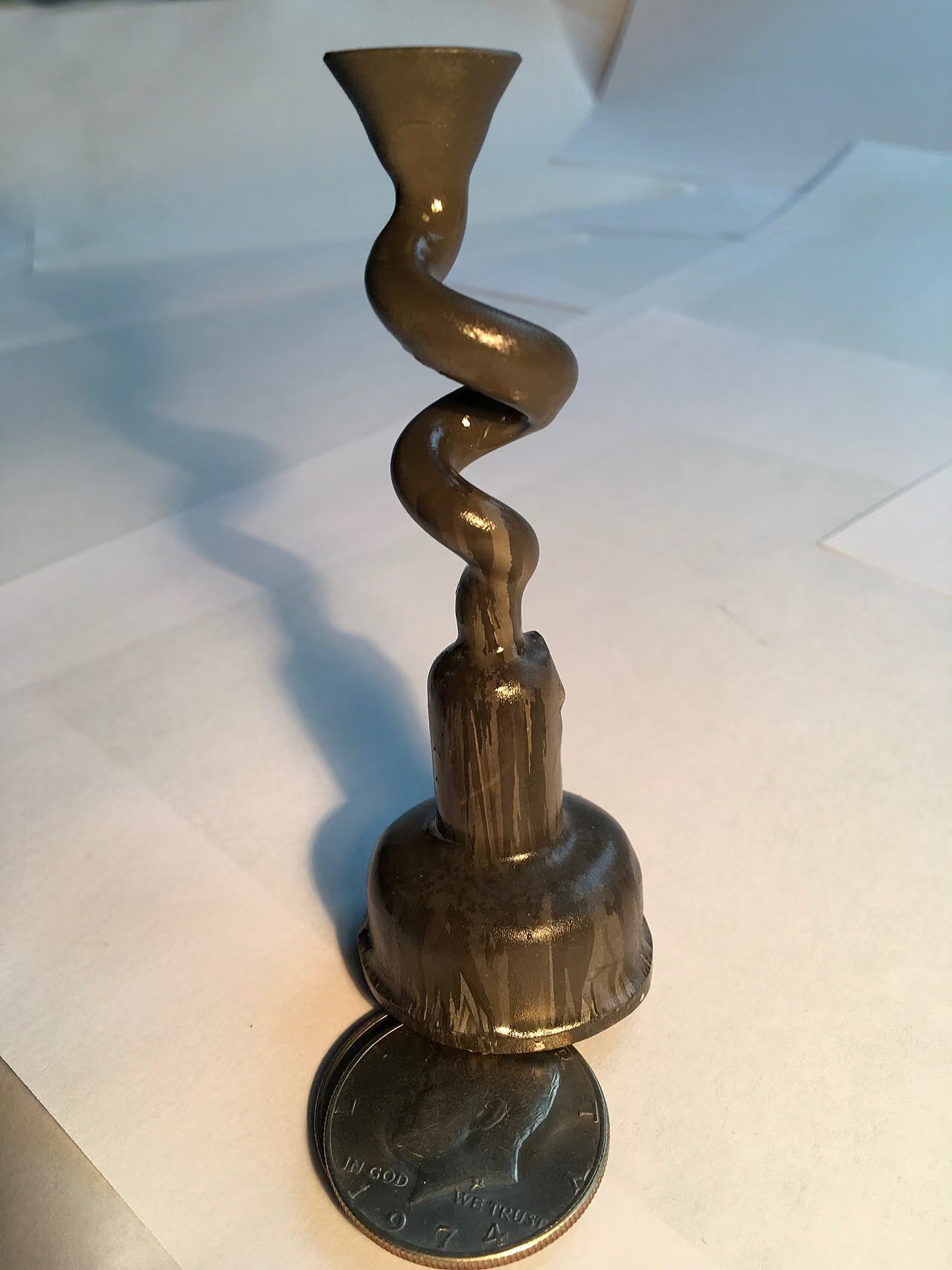
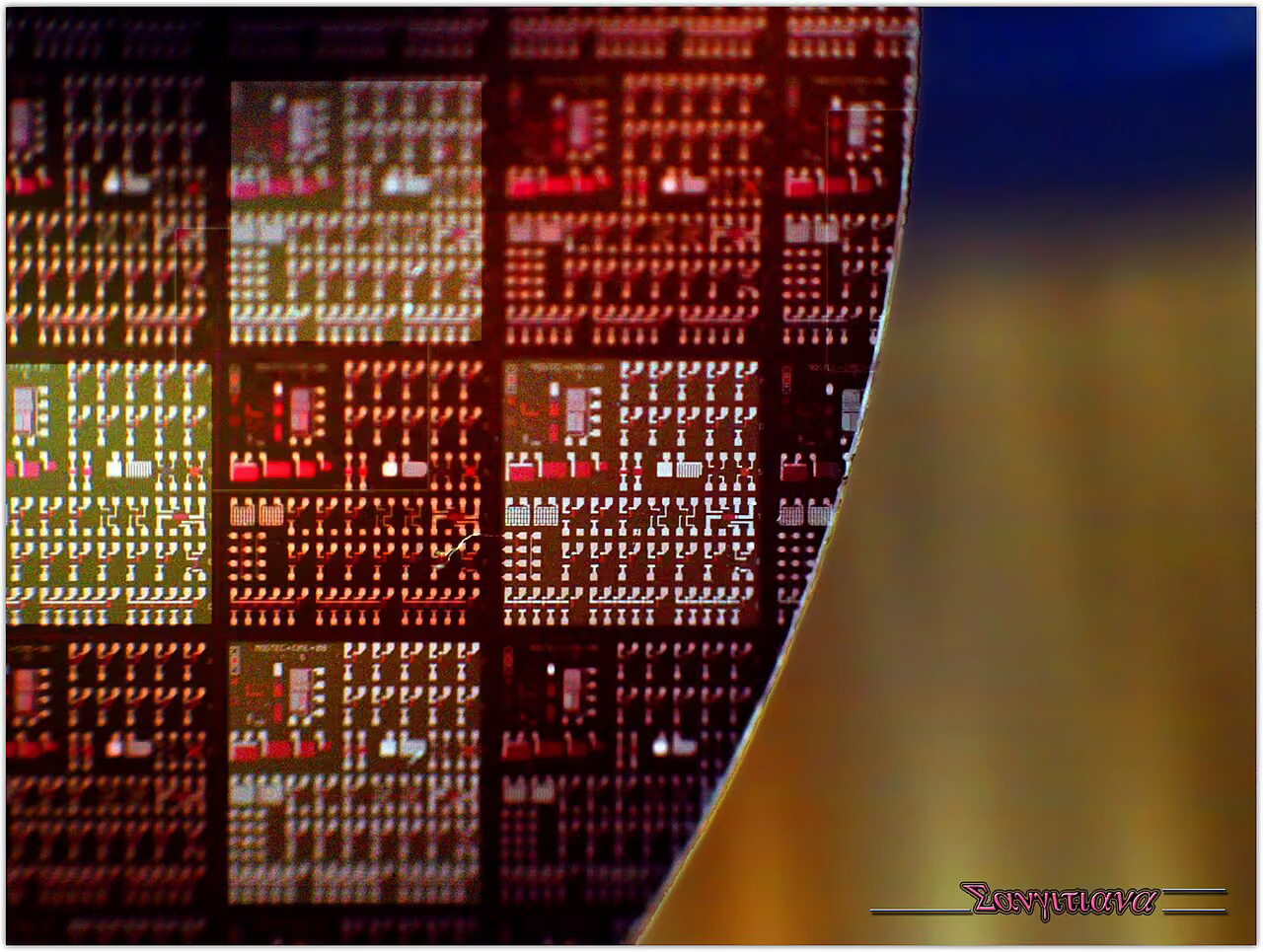


Every phone needs tantalum


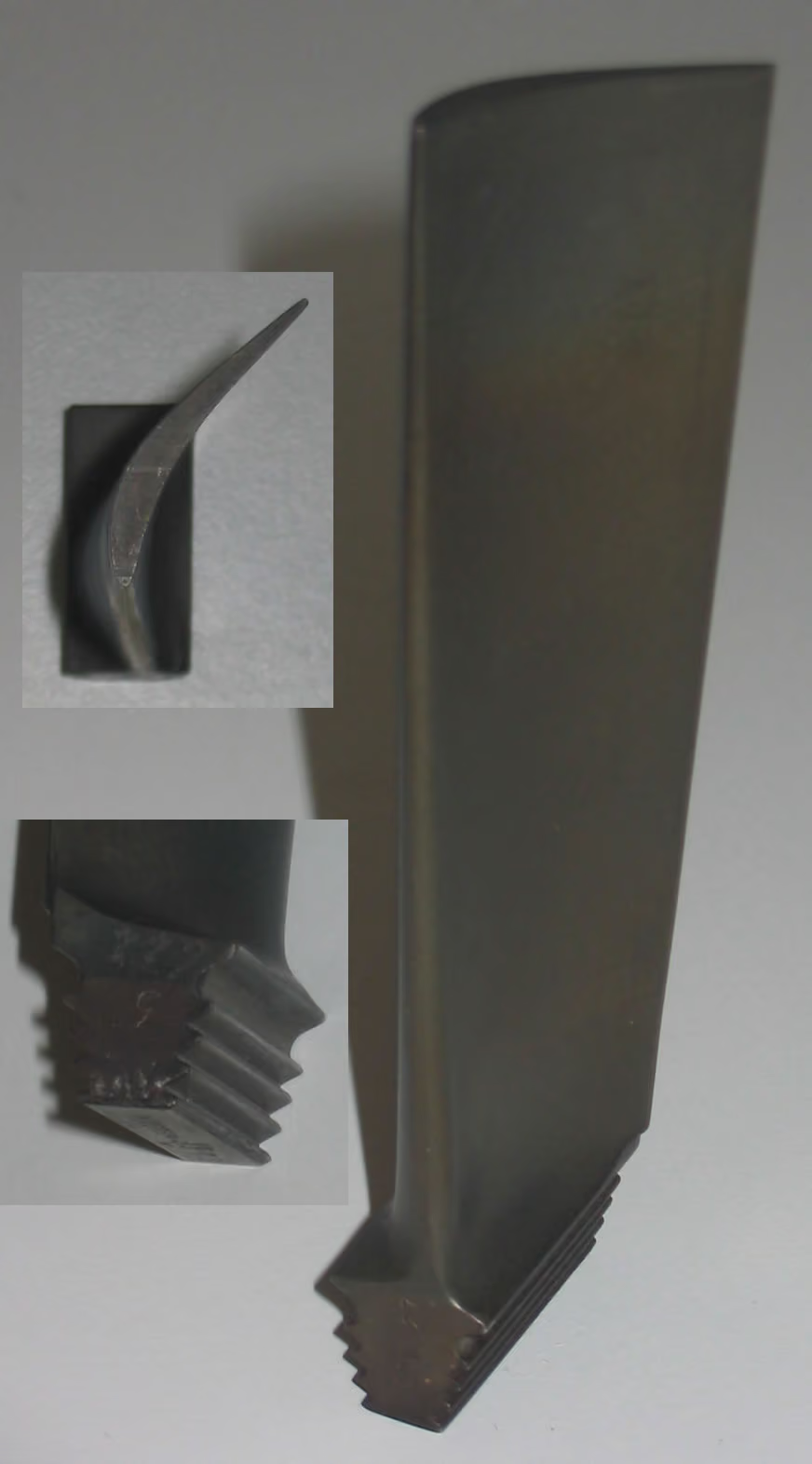


China owns the carbide
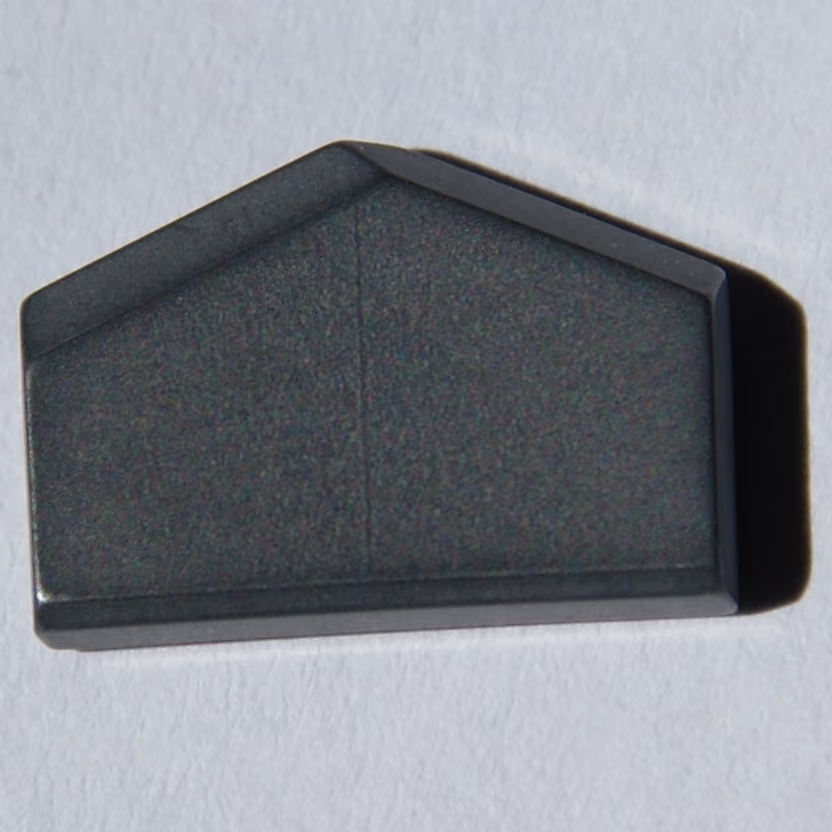




Hottest engines burn rhenium




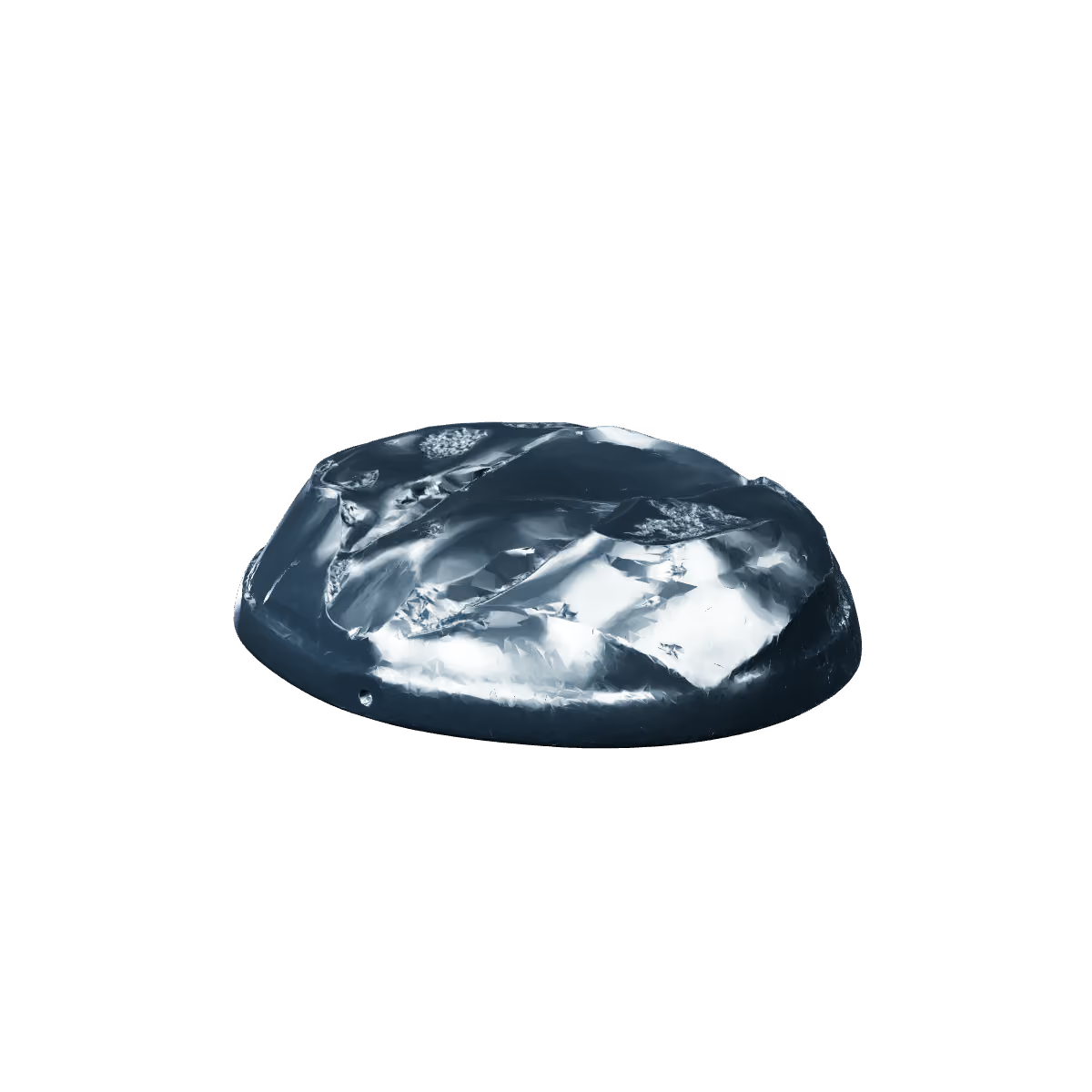
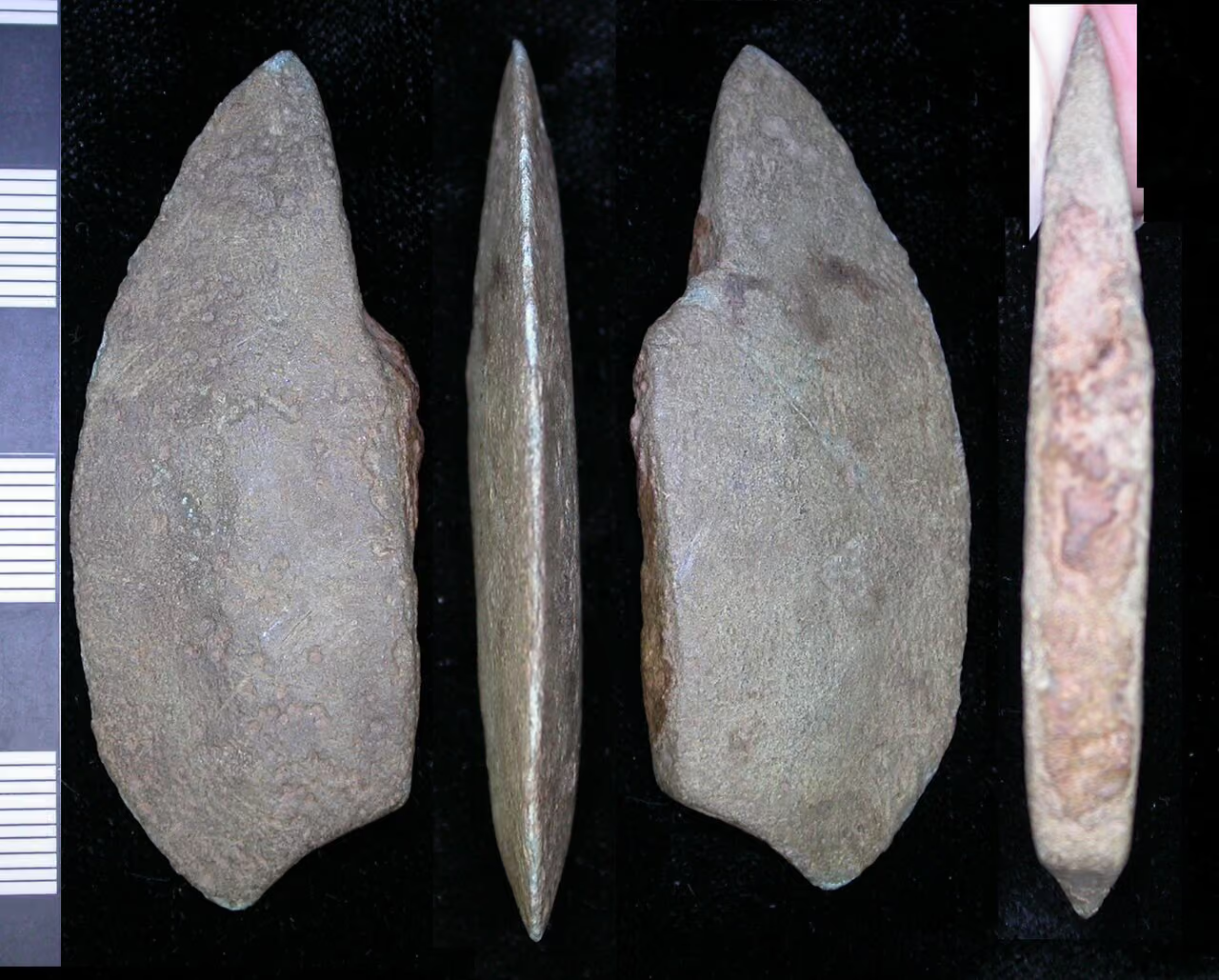
Osmium: rarest of platinum group

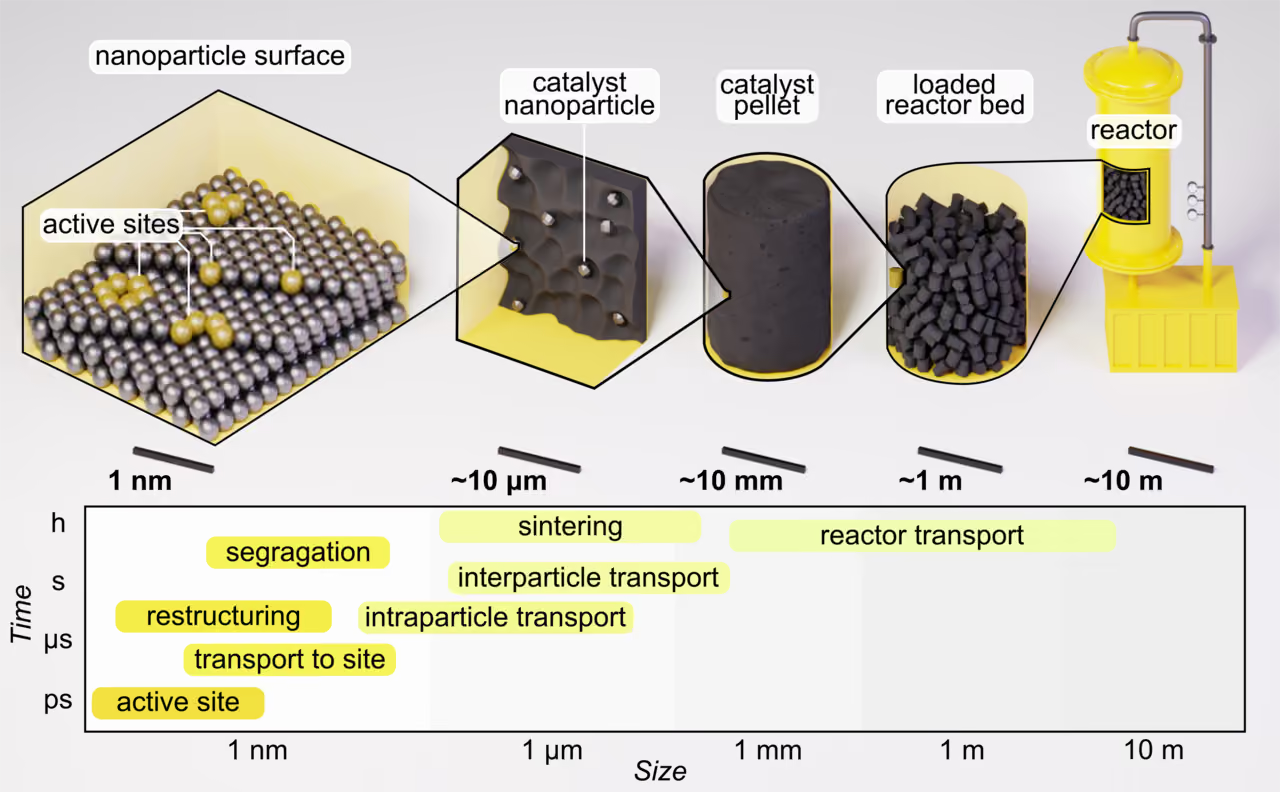



Iridium: green hydrogen bottleneck
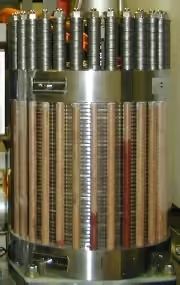






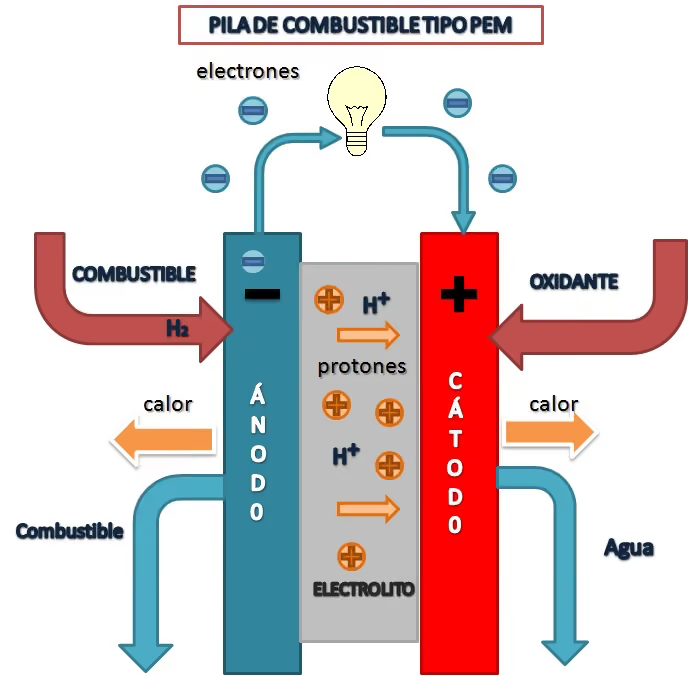
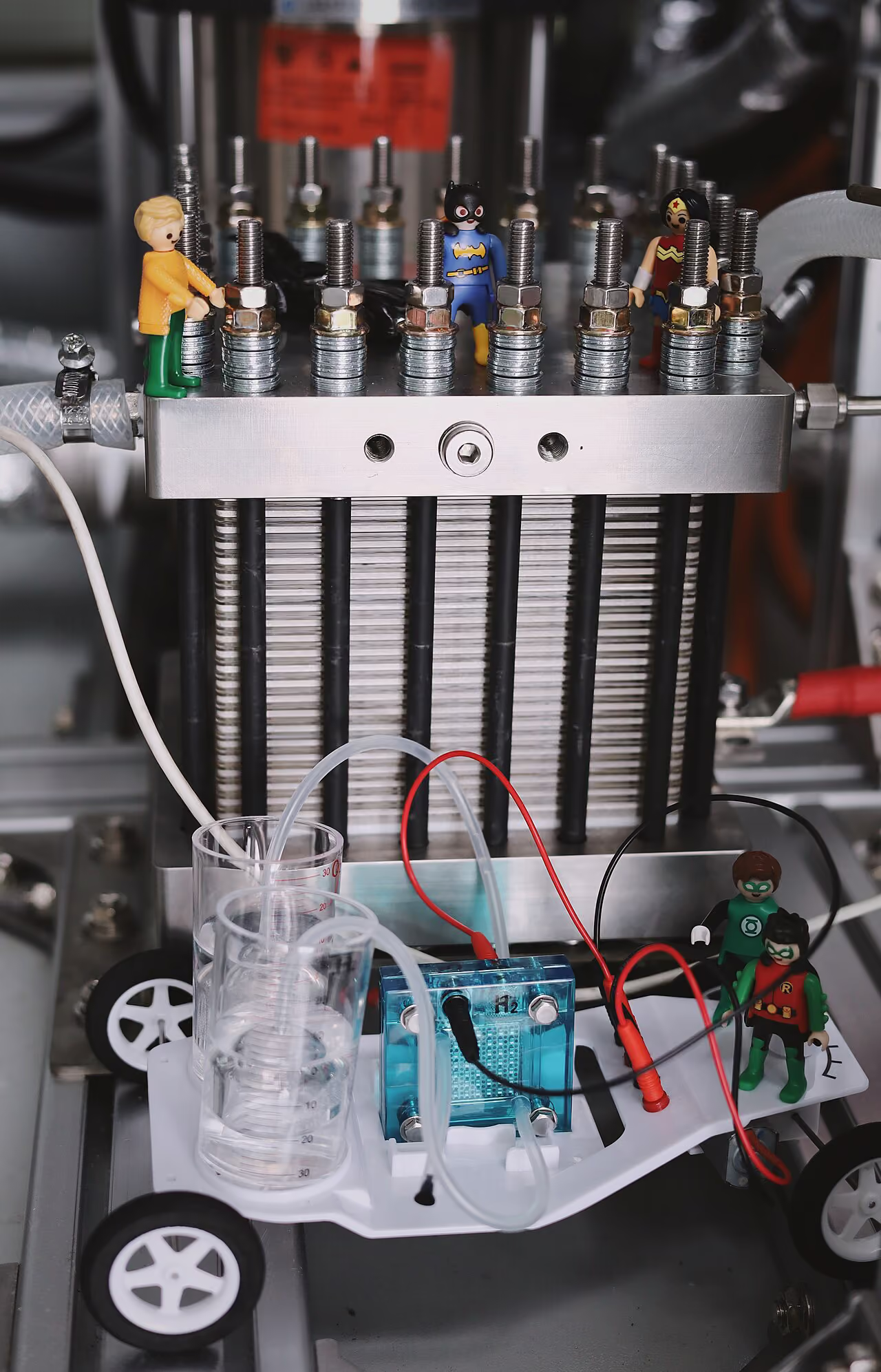
Platinum: hydrogen economy linchpin

Green solder and pink medicine
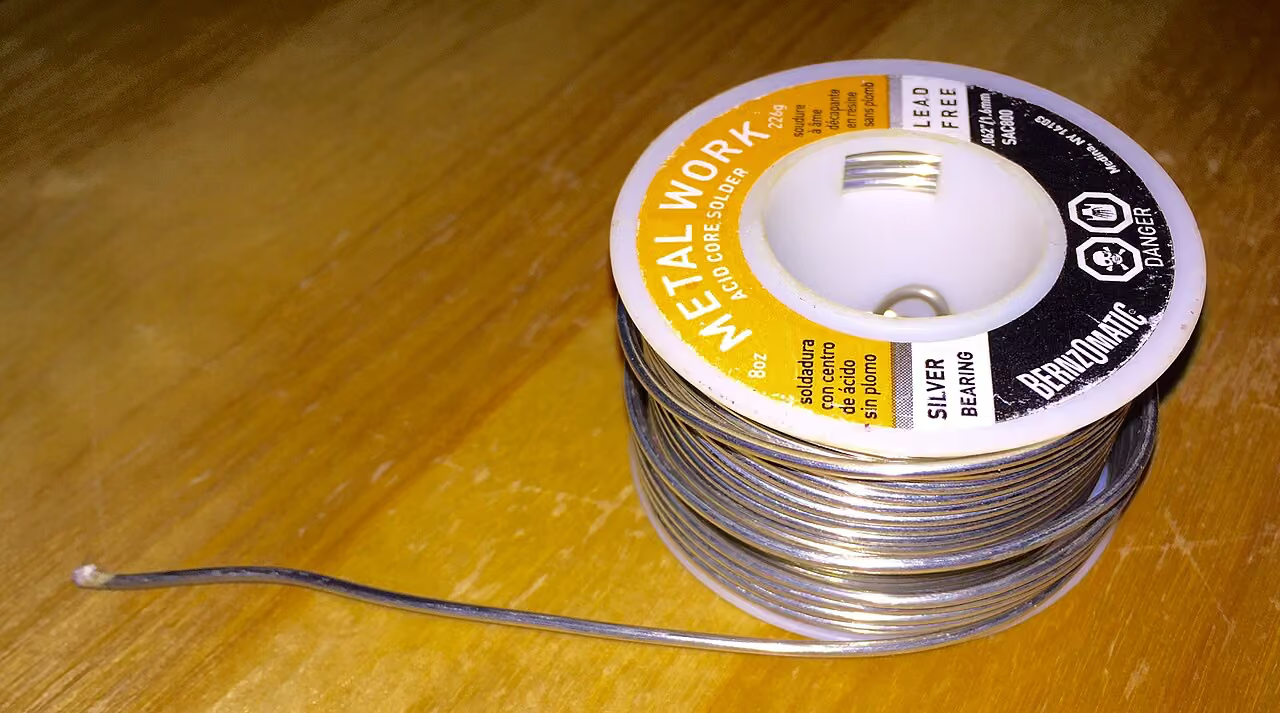
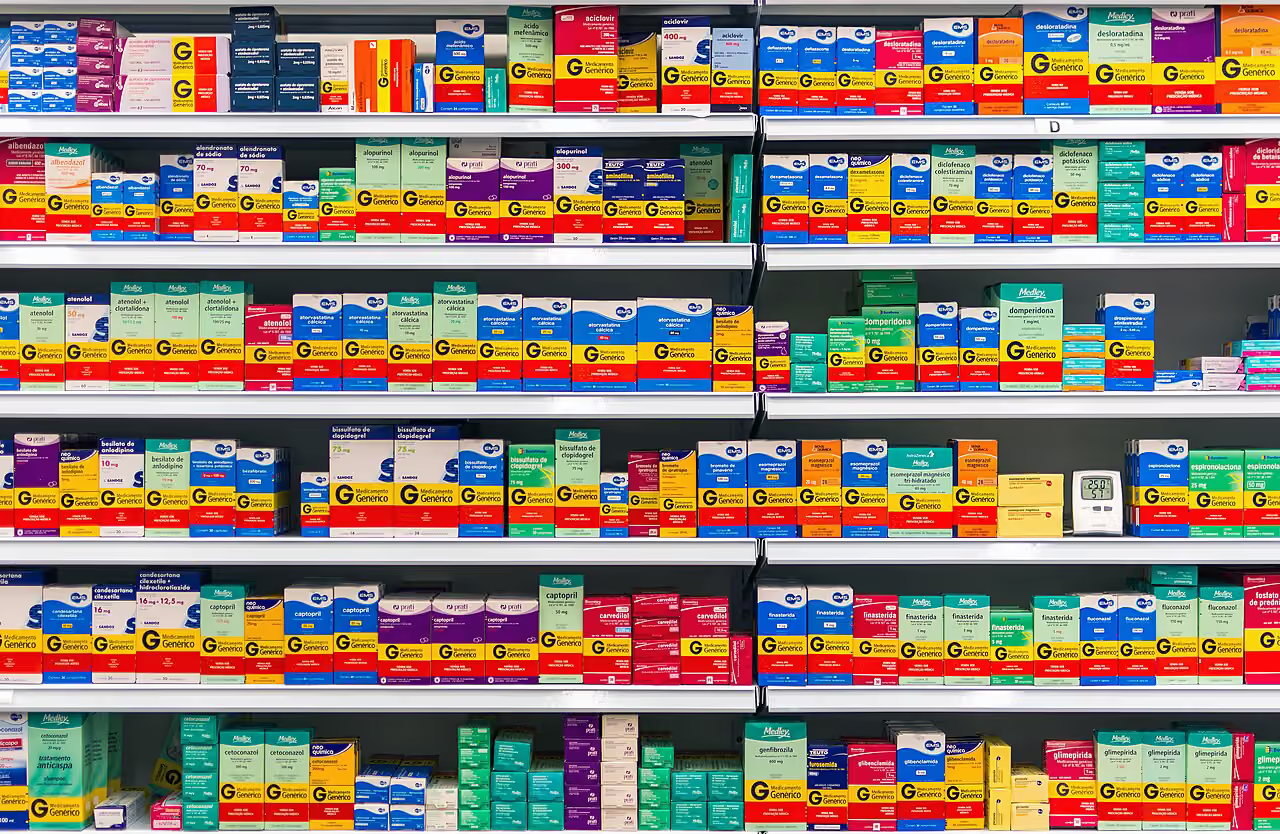
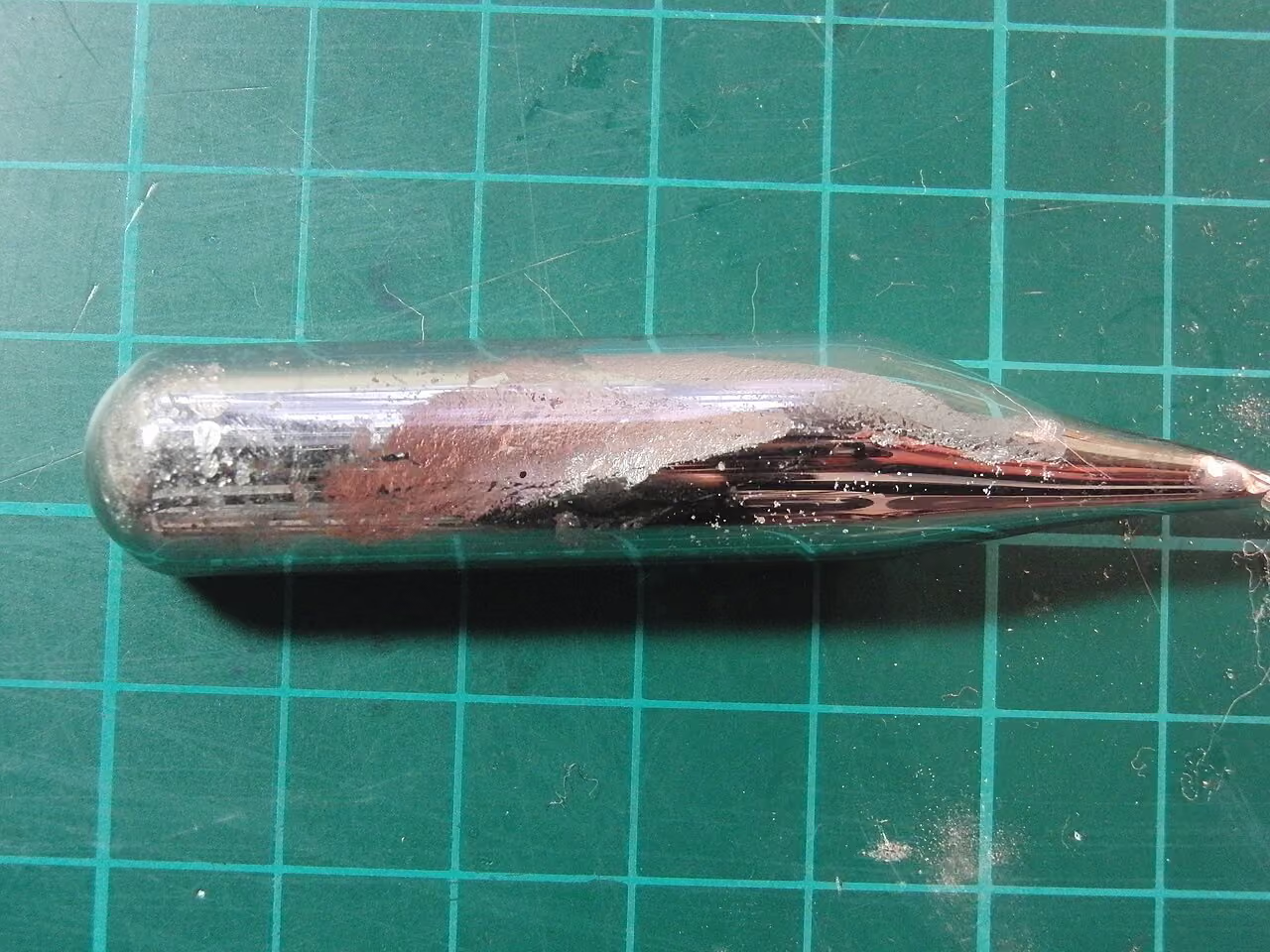

All of these metals are recovered as by-products from operating mining assets.
But for the past 40 years, they have not been recovered in the United States.
Mining operators have focused on primary metal production.


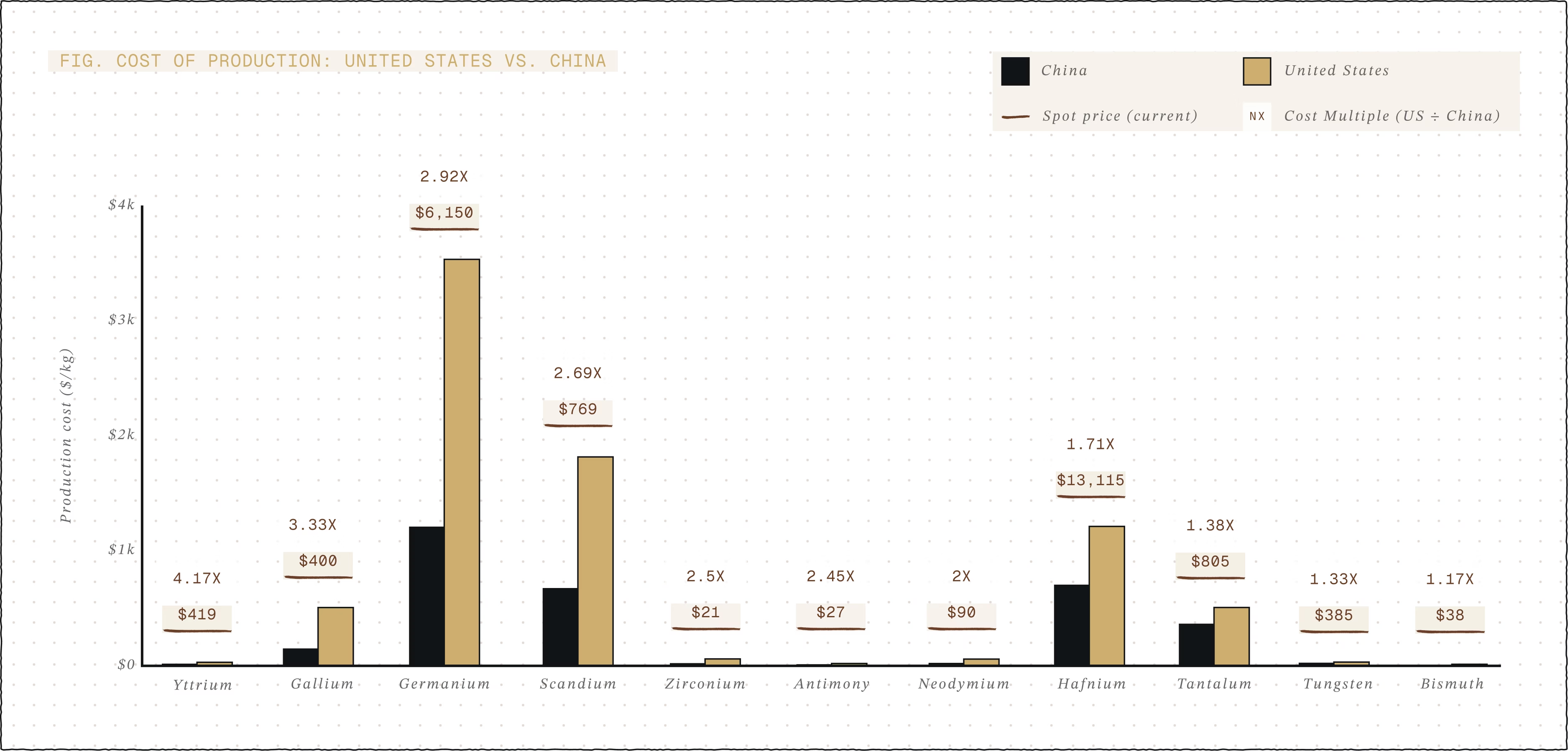
Linear axis, true proportions — germanium, scandium, hafnium & gallium cost far more per kg than the cheaper metals (yttrium, antimony, bismuth, zirconium, tungsten), whose bars are correspondingly short.Spot priceis a floating green line above each pair (current ex-China / Western quote, May–Jun 2026); it is not drawn to the cost axis because spot ranges up to ~$13,000/kg (hafnium) and would otherwise dwarf the cost bars. Multiple = US cost ÷ China cost; only niobium is <1× (US below China, since China’s figure is import-parity on Brazilian feed). Units: Sc & Y per kg oxide, Nb per kg contained Nb, others per kg metal. Hover any bar or line for full detail & sources.
Mining-engineering talent, US vs China, by decade.
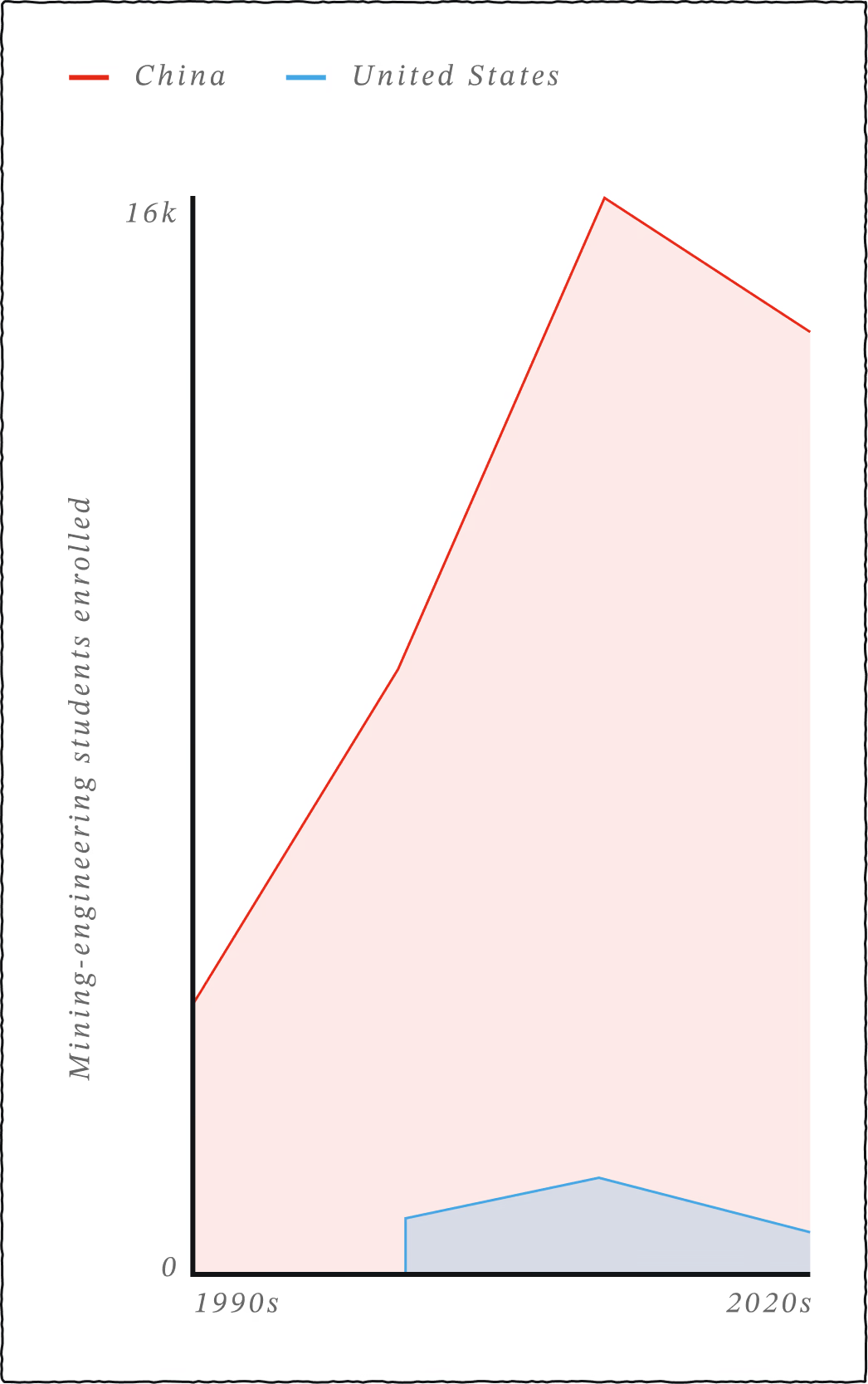
Mining-engineering talent, US vs China, by decade.

Mining-engineering talent, US vs China, by decade.

BGRIMM mining & mineral-processing institute
BGRIMM mining & mineral-processing institute
BGRIMM mining & mineral-processing institute
BGRIMM mining & mineral-processing institute
BGRIMM mining & mineral-processing institute
BGRIMM mining & mineral-processing institute
Cumulative count of national critical-minerals institutes, universities, and specialized technical programs (founding +1, closure −1). The shaded band is China's standing lead. An illustrative index of institutional momentum, not one official statistic. Hover any point for the milestone and source.

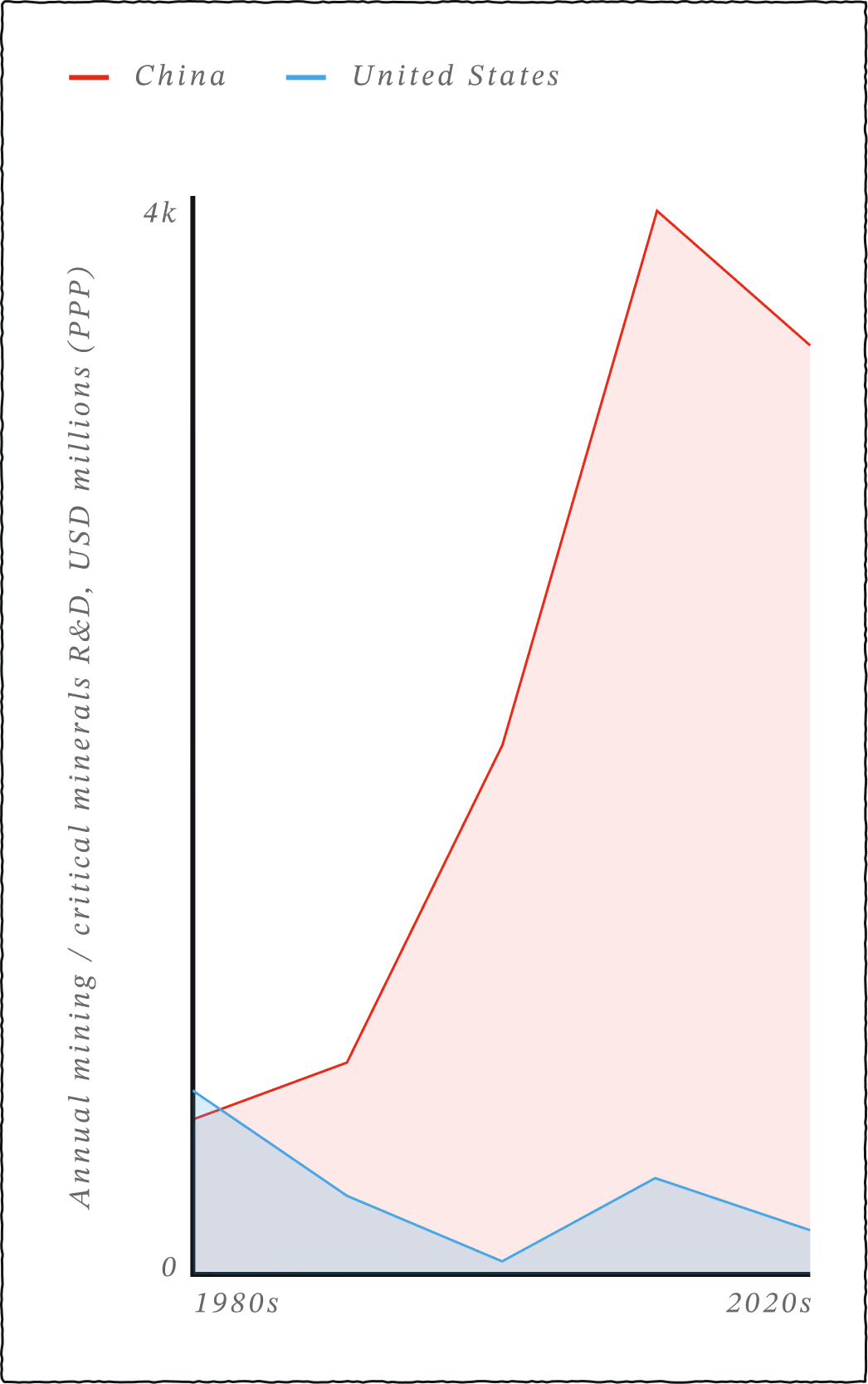
Annual mining / critical-minerals R&D spend, US vs China, by decade, in PPP-adjusted USD millions (US = private + public combined).
As of mid-2026 the truce suspensions remained in force while the April 2025 rare earth licensing curbs still bit. US yttrium imports from China fell to about 17 tonnes in eight months versus about 333 tonnes prior, and aerospace makers reported yttrium and scandium rationing.
rare earths; yttrium; scandium; indium
Suspension/relaxation
MOFCOM
Global
China suspended six October 2025 export-control announcements (Nos. 55, 56, 57, 58, 61, 62) from November 7, 2025 until November 10, 2026. The December 2023 catalogue technology ban was not suspended and remains active.
Process technology; Ion-exchange; Solvent extractants
Suspension/relaxation
MOFCOM; GAC
Global and Extraterritorial
As part of a US-China trade truce, China paused the October 2025 extraterritorial package for one year and temporarily lifted the December 2024 outright US ban on gallium, germanium, antimony, and superhard materials. The April 2025 rare earth licensing regime was not suspended and remains active.
rare earths; gallium; germanium; antimony; superhard materials; lithium battery materials
Suspension/relaxation
MOFCOM; GAC
Global and US-specific
Separation know-how including ion-exchange is covered by No. 62, which also bars Chinese experts from teaching or assisting foreign separation projects. Suspended until November 10, 2026.
Ion-exchange
Extraterritorial control
MOFCOM; GAC
Extraterritorial
China placed export controls on rare earth processing technology and barred Chinese persons from providing substantial assistance to foreign rare earth projects, asserting extraterritorial reach. Suspended until November 10, 2026.
Process technology
Extraterritorial control
MOFCOM; GAC
Extraterritorial
For the first time China named specific extractant chemicals (P507, P204, naphthenic acid, N235, C272) with CAS numbers under export licensing, targeting the core reagents of cascade separation. Suspended one month later until November 10, 2026.
Solvent extractants
License requirement
MOFCOM; GAC
Global
Announcement No. 56 licensed more than 20 rare earth processing equipment types spanning smelting, separation, and crystallization, denying rivals the physical means to build processing lines. Suspended until November 10, 2026.
Process technology
License requirement
MOFCOM; GAC
Global
China asserted extraterritorial jurisdiction for the first time, with a 0.1 percent de minimis content trigger and a 50 percent affiliate-ownership rule, extending controls to rare earth equipment and technology, lithium battery materials, and superhard materials. Modeled on the US foreign direct product and de minimis architecture.
rare earths; rare earth equipment; rare earth technology; lithium battery materials; superhard materials
Extraterritorial control
MOFCOM; GAC
Extraterritorial
China added seven medium and heavy rare earths plus high-performance SmCo and Tb/Dy NdFeB magnets to the dual-use control list under case-by-case licensing, with a 0.1 percent Chinese-content trigger for magnets. This is the curb that most directly hits US defense.
samarium; gadolinium; terbium; dysprosium; lutetium; scandium; yttrium
License requirement
MOFCOM; GAC
Global
China required export licenses for items related to five additional metals on the day its retaliatory tariffs on US goods took effect, responding to new US tariffs. Tungsten is critical to munitions, cutting tools, and superalloys.
tungsten; tellurium; bismuth; molybdenum; indium
License requirement
MOFCOM; GAC
Global
The day after new US semiconductor controls, China prohibited in principle the export of gallium, germanium, antimony, and superhard materials to the United States, the first mineral measure to single out the US.
gallium; germanium; antimony; superhard materials
Outright ban (US)
MOFCOM
US-specific
China required export licenses for antimony, antimony compounds, and select superhard materials, and banned export of gold-antimony smelting technology. Chinese antimony exports fell about 97 percent and prices roughly tripled afterward.
antimony; superhard materials
License requirement
MOFCOM; GAC
Global
Solvent-extraction cascade design is prohibited as part of the rare earth separation-technology ban. The active 2023 catalogue does not name specific extractant chemicals; those appear only in the suspended October 2025 No. 56.
Solvent extractants
Prohibited
MOFCOM; MOST
Global
Ion-exchange and chromatographic separation know-how for ultra-high-purity heavy rare earths is captured under the prohibited separation-technology category. No control specific to ion-exchange resins was issued.
Ion-exchange
Prohibited
MOFCOM; MOST
Global
China prohibited export of rare earth extraction, separation, smelting, and metal and alloy production technology, and moved ionic-rare-earth-ore leaching to the restricted list. This catalogue ban remains in force in 2026.
Process technology
Prohibited
MOFCOM; MOST
Global
China banned export of the core know-how that turns mined ore into usable rare earth metals and magnets, including extraction, separation, and NdFeB and SmCo magnet production technology, extending leverage from materials to technology.
rare earth processing technology
Tech-transfer ban
MOFCOM; Ministry of Science and Technology
Global
China required dual-use export licenses for gallium- and germanium-related items, the first major move of the strategic-control era, widely read as a response to US and allied semiconductor equipment controls.
gallium; germanium
License requirement
MOFCOM; GAC
Global
China merged several state rare earth producers into China Rare Earth Group, controlling roughly 60-70 percent of heavy rare earth output and increasing state pricing power ahead of the 2023 export controls.
rare earths
Producer consolidation
SASAC; State Council
Global
China enacted its first unified Export Control Law, effective December 1, 2020, creating the national-security legal basis later used for all the targeted critical-mineral licensing controls from 2023 onward.
Enabling framework
Enabling legislation
NPC Standing Committee; MOFCOM
Global
China issued a major catalogue revision on August 28, 2020 that restricted rare earth extraction and separation technologies, the last full revision before the December 2023 overhaul.
Process technology
Restricted
MOFCOM; MOST
Global
China eliminated export duties on rare earths, tungsten, and molybdenum effective May 1, 2015, completing WTO compliance and replacing the export tax with a domestic resource tax.
rare earths; tungsten; molybdenum
Suspension/relaxation
State Council Tariff Commission; GAC
Global
Following the WTO ruling, China abolished its rare earth export quota regime effective January 1, 2015, ending the volume-capped system and replacing it with a license available to any qualified exporter.
rare earths; tungsten; molybdenum
Suspension/relaxation
MOFCOM; GAC
Global
The WTO Appellate Body upheld findings that China's export quotas and duties on rare earths, tungsten, and molybdenum breached its commitments and were not justified as conservation measures. China was given until May 2, 2015 to comply.
rare earths; tungsten; molybdenum
WTO ruling
WTO Appellate Body; Dispute Settlement Body
Global
The US, EU, and Japan requested WTO consultations challenging China's export duties, quotas, and licensing on rare earths, tungsten, and molybdenum, citing over 30 measures and 212 customs codes.
rare earths; tungsten; molybdenum
WTO ruling
WTO (complainants US, EU, Japan)
Global
After the September 2010 fishing-boat collision near the Senkaku/Diaoyu Islands, Japanese buyers reported Chinese customs halting rare earth shipments to Japan from about September 21; flows recovered by roughly December. China never issued a written ban.
rare earths
De-facto embargo
Informal customs halt
Japan
China cut the full-year 2010 rare earth export quota by roughly 40 percent versus 2009, to about 30,259 tonnes, triggering a global price spike given China's 90 percent plus supply share.
rare earths
Export quota
MOFCOM
Global
Ion-exchange separation remained covered implicitly under the broad separation-technology listing in the 2008 catalogue, with no resin-specific control.
Ion-exchange
Restricted
MOFCOM; MOST
Global
China re-promulgated the catalogue in 2008 and tightened rare earth extraction and separation technology controls over the 2009 to 2011 window, with extraction-equipment know-how reportedly added around 2009.
Process technology
Restricted
MOFCOM; MOST
Global
From 2007 China levied an export duty of about 10 percent on rare earth raw materials, raised in 2008 to 15-25 percent by product, a price disincentive layered on top of the quota.
rare earths; tungsten; molybdenum
Export tariff
State Council Tariff Commission; GAC
Global
China imposed its first nationwide cap on rare earth oxide production, working alongside the export quota system to constrain global supply under an environmental rationale.
rare earths
Production quota
Ministry of Land and Resources; State Council
Global
China administered annual rare earth export quotas through MOFCOM, tightening the ceiling steadily from about 65,580 tonnes in 2005 to about 48,155 tonnes in 2009 before the sharp 2010 cut.
rare earths
Export quota
MOFCOM
Global
Ion-exchange separation was captured implicitly under the broad rare earth separation-technology listing. China has never issued a control specific to ion-exchange resins; ion exchange falls under the general separation prohibition.
Ion-exchange
Prohibited
MOFCOM; MOST
Global
China first placed rare earth extraction and separation know-how, including the ionic-clay leaching process, on its technology-export catalogue, beginning unpublished in 1998 and published in 2001.
Process technology
Prohibited
MOFCOM; MOST
Global
China restricted not only the export of metals, but the technologies used to make them. This single time-axis chart documents two decades of Chinese outbound export restrictions, on the metal products themselves and on the separation and processing technology.
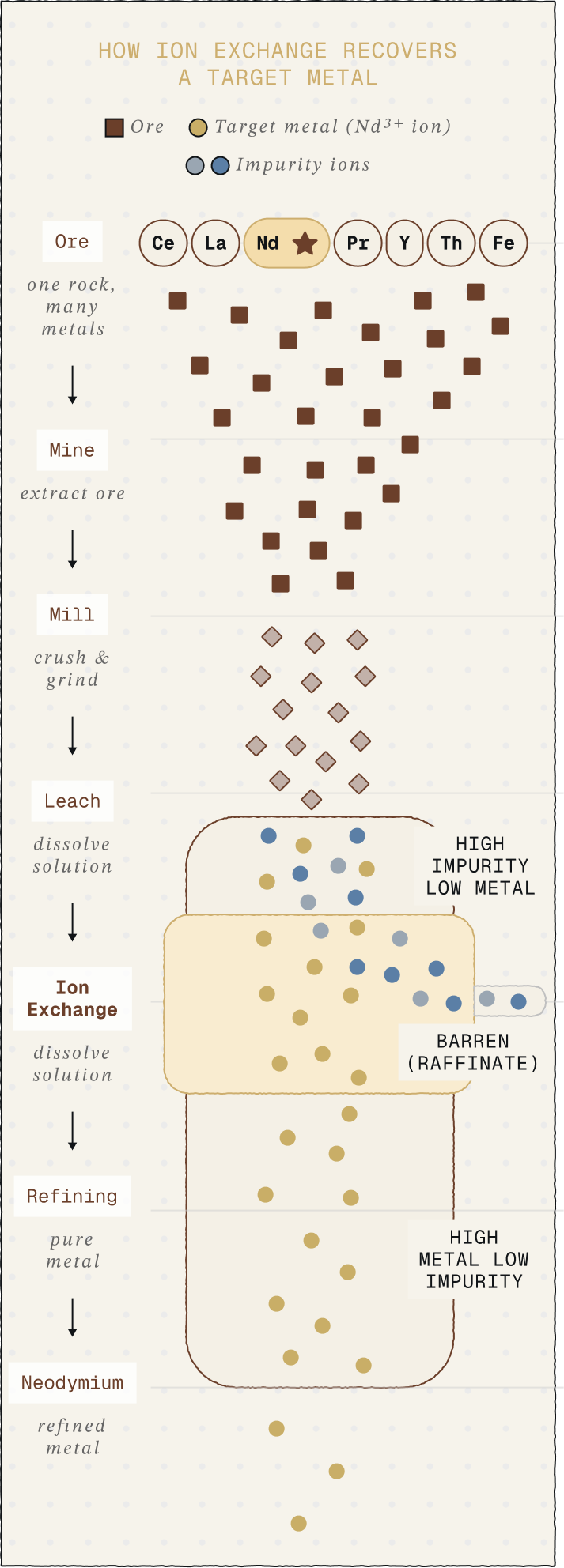
A real rock (the ore) holds many metals. Mining and milling free it; leaching dissolves it into a dirty, low-grade solution (lots of impurity ions, little of the target). In the ion-exchange column the resin selectively binds the target metal while impurity ions wash through (the raffinate); eluting the resin then releases a clean, concentrated stream that goes to refining.
Each process-tech era is a shaded phase; from 2030 the separation cost forks: runaway without a breakthrough, or bent down by a Kunin IX breakthrough.

Left axis: copper head grade (% Cu) with the operating-grade band. Right axis: separation cost share (grade-driven to 2030, then the two scenarios). Shaded vertical bands are process-tech eras: pre-flotation, froth flotation (1912), flash smelting (1949), SX-EW (1968), HPGR & autonomy (2006), and the post-2030 “next step-change?” zone. Faint vertical lines mark each invention year. Scenario branches are illustrative (Kunin branch basis: Metionic IX TEA; runaway branch: modeled).
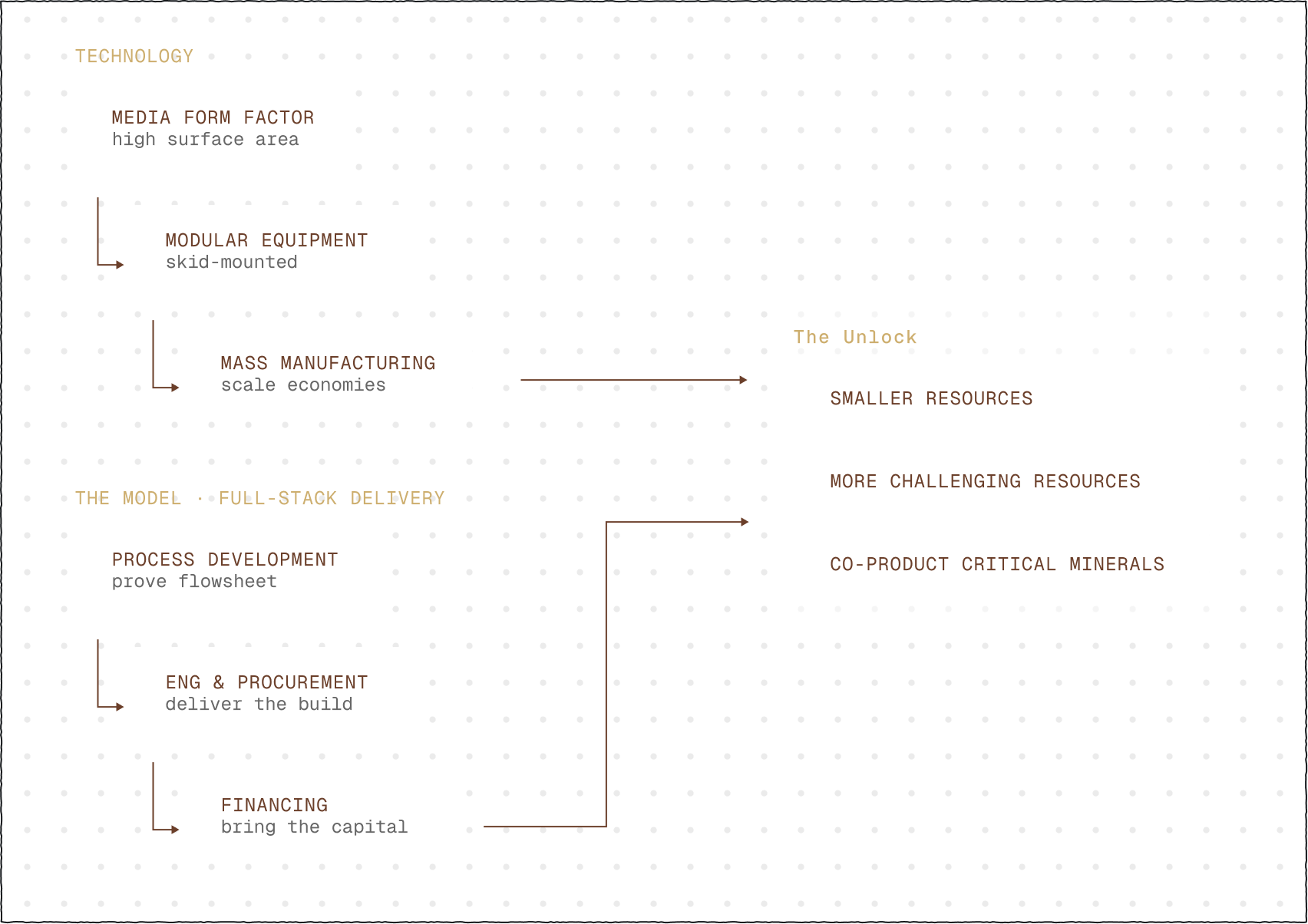
Two tracks — the technology and the full-stack model — converge to unlock resources the industry leaves behind.
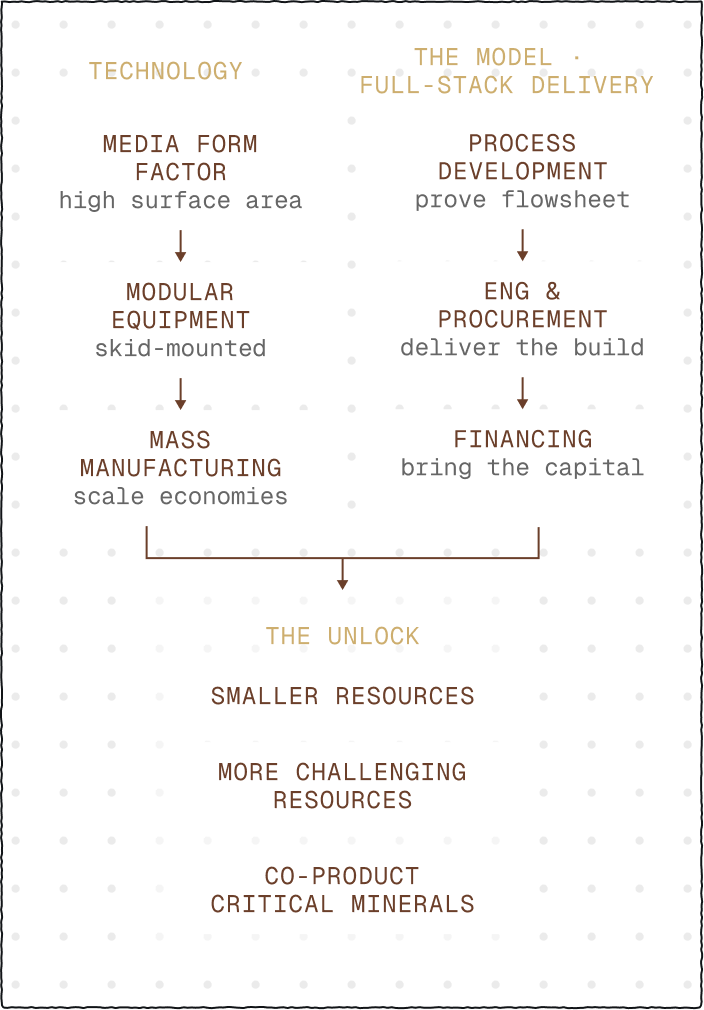
We are America's vertically integrated ion-exchange company: resin manufacturer, process technology developer, and metal producer.
We produce a new resin form factor using the Same functional Chemistry tree developed since the 1940s.
We develop metal recovery processes using ion-exchange. Any feedstock. Any metal theperiodic table.
We design and build co-productplants at operating mines, smelters. refineries. and industrial